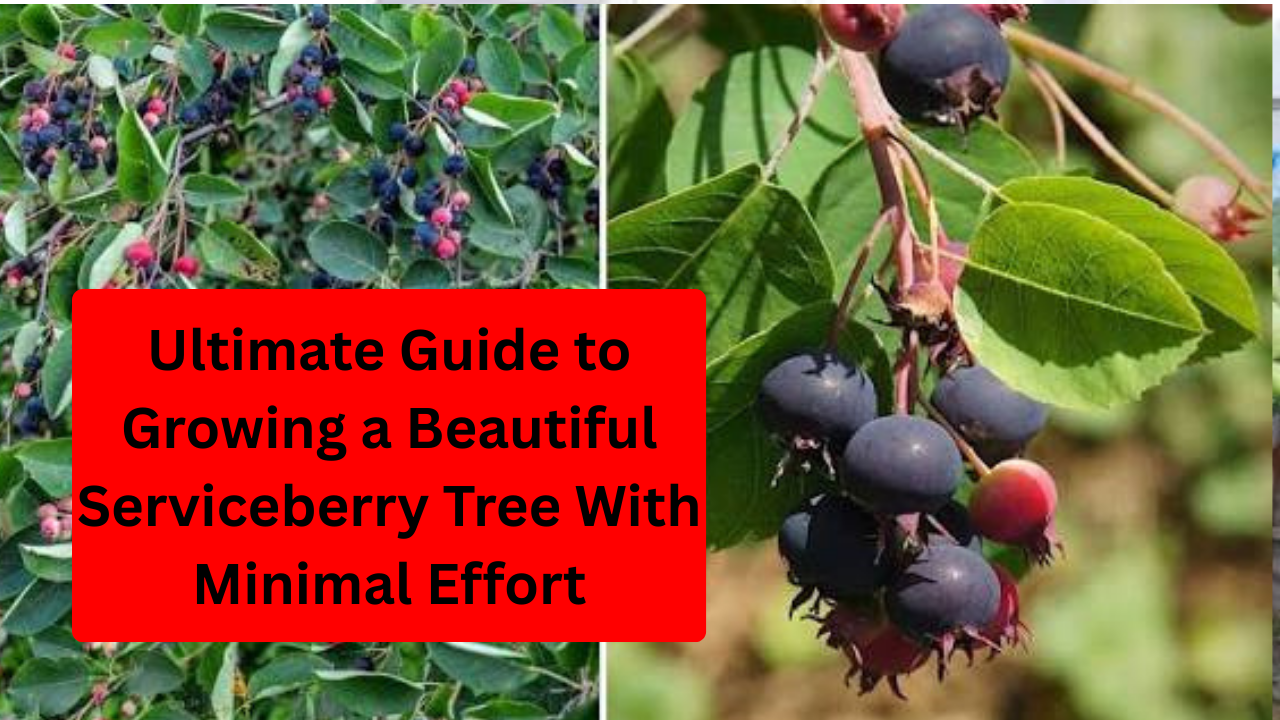
Serviceberry, also known as Amelanchier, is one of the most underrated yet rewarding trees for home gardens. Valued for its delicate spring flowers, sweet edible berries, vibrant autumn color, and graceful structure, the serviceberry offers year-round interest with surprisingly little maintenance. Whether grown as a small tree or large shrub, it fits perfectly into urban gardens, backyards, and even larger containers when managed correctly.

Understanding the Serviceberry Tree
Serviceberry is a deciduous tree or multi-stemmed shrub native to North America. Several species exist, but Amelanchier canadensis, Amelanchier alnifolia, and Amelanchier lamarckii are the most commonly cultivated. These trees typically reach 10 to 25 feet in height, making them ideal for gardeners who want a tree without overwhelming space.
Serviceberry is often described as a four-season tree. In early spring, it produces clusters of white blossoms. Summer brings edible berries similar in taste to blueberries. Autumn displays brilliant red, orange, and yellow foliage, while winter reveals smooth bark and elegant branching.

Why Serviceberry Is a Low-Effort Tree
Serviceberry trees are naturally resilient and adaptable. Once established, they tolerate a wide range of soil conditions, require minimal pruning, and rarely suffer from severe pest or disease problems. They are cold-hardy, drought-tolerant once mature, and do not demand heavy fertilization. This combination makes them ideal for gardeners seeking beauty without constant upkeep.
Choosing the Right Serviceberry Variety
Selecting the right species improves success and reduces maintenance. Amelanchier canadensis grows well in moist soils and suits woodland-style gardens. Amelanchier alnifolia is known for superior fruit quality and is often chosen for edible landscapes. Amelanchier lamarckii offers exceptional ornamental value with abundant flowers and fall color.
Compact cultivars are available for smaller gardens, while multi-stem varieties create a shrub-like appearance suitable for natural hedging or screening.

Best Climate and Growing Conditions
Serviceberry thrives in temperate climates and is extremely cold-hardy. Most varieties tolerate winter temperatures well below freezing. They prefer moderate summers and do not perform as well in extreme heat unless provided with adequate moisture. In warmer regions, partial shade during the hottest part of the day helps maintain vigor.
Selecting the Perfect Planting Location
Location plays a major role in long-term beauty and ease of care. Serviceberry grows best in full sun to partial shade. Full sun encourages abundant flowering and fruiting, while partial shade is acceptable and often beneficial in warmer climates.
Choose a site with good air circulation and adequate space for mature growth. Avoid planting too close to buildings or large trees that compete for water and nutrients.

Soil Requirements for Healthy Growth
Serviceberry prefers well-draining soil rich in organic matter. Slightly acidic to neutral soil produces the best growth and nutrient uptake. Heavy clay soil should be amended with compost to improve drainage, while sandy soil benefits from added organic material to retain moisture.
One of the reasons serviceberry is low effort is its adaptability. While it prefers ideal soil, it tolerates less-than-perfect conditions once established.
Planting a Serviceberry Tree Correctly
Planting correctly sets the foundation for years of trouble-free growth. Dig a hole twice as wide as the root ball and just as deep. Place the tree so the root flare sits at soil level. Backfill with native soil mixed lightly with compost, and water thoroughly to eliminate air pockets.

Mulch around the base with organic mulch, keeping it a few inches away from the trunk to prevent rot.
Watering Needs During Establishment
Young serviceberry trees require regular watering during the first one to two years. Keep the soil evenly moist but not waterlogged. Deep watering encourages strong root development and improves drought tolerance later.
Once established, serviceberry requires minimal supplemental watering except during prolonged dry periods.

Long-Term Watering Strategy
Mature serviceberry trees are relatively drought-tolerant. Occasional deep watering during extended dry spells keeps foliage healthy and prevents stress. Overwatering should be avoided, as constantly wet soil leads to root problems.
Mulching for Effortless Maintenance
Mulching significantly reduces maintenance needs. A two- to three-inch layer of organic mulch conserves moisture, suppresses weeds, and improves soil structure over time. Mulch also stabilizes soil temperature, protecting roots from extreme heat and cold.
Refreshing mulch once a year is usually sufficient.

Fertilization Requirements
Serviceberry trees do not require heavy fertilization. In most garden soils, annual application of compost or a balanced slow-release fertilizer in early spring is enough. Excessive fertilization promotes leafy growth at the expense of flowers and berries.
If growth appears weak, a soil test helps identify nutrient deficiencies before applying fertilizer unnecessarily.
Pruning for Shape and Health
Pruning needs are minimal. Remove dead, damaged, or crossing branches during late winter or early spring. For multi-stem varieties, occasional thinning improves air circulation and enhances natural form.

Avoid heavy pruning, as serviceberry has an attractive natural shape that requires little correction.
Flowering and Pollination
Serviceberry flowers appear early in spring, often before leaves fully emerge. These blossoms are highly attractive to pollinators, including bees. Most serviceberry varieties are self-fertile, but planting more than one tree improves fruit production.
The flowering display is reliable year after year with minimal intervention.

Fruit Development and Harvesting
Berries ripen in early summer and change from red to deep purple when fully ripe. They are sweet, soft, and highly nutritious. Birds also love serviceberries, so harvesting promptly is important if you want to enjoy the fruit.
Netting can be used if fruit production is a priority, though many gardeners happily share with wildlife.

Using Serviceberries in the Kitchen
Serviceberries can be eaten fresh or used in jams, pies, muffins, and preserves. Their flavor is often described as a blend of blueberry and almond. Homegrown fruit is superior in taste and free from chemical residues.
Autumn Foliage and Seasonal Interest
In autumn, serviceberry foliage turns brilliant shades of red, orange, and yellow. This dramatic color change rivals many larger ornamental trees. Even after leaf drop, the tree remains attractive due to its smooth bark and branching pattern.
This seasonal transformation adds value without additional care.
Pest and Disease Resistance
Serviceberry trees are generally resistant to serious pests and diseases. Occasional issues include aphids, leaf spot, or rust, but these rarely cause significant damage. Healthy trees grown in proper conditions recover easily without chemical intervention.
Good airflow, proper spacing, and avoiding overhead watering minimize disease risk.
Wildlife Benefits
Serviceberry is an excellent wildlife-friendly tree. Flowers support pollinators, berries feed birds and small mammals, and dense branching provides shelter. Planting serviceberry contributes to local biodiversity while enhancing garden beauty.
Growing Serviceberry in Small Gardens
Because of its modest size, serviceberry fits well in small yards and urban gardens. Columnar or multi-stem forms can be used as focal points or natural screens. With proper pruning, it can even be trained as a large shrub.
Container Growing Possibilities
Some compact serviceberry varieties can be grown in large containers. Use a deep, wide pot with excellent drainage and rich soil. Container-grown trees require more frequent watering and occasional feeding but still remain relatively low maintenance.
Common Mistakes to Avoid
Planting in poorly drained soil, overwatering, excessive fertilization, and aggressive pruning are the most common mistakes. Another mistake is planting in deep shade, which reduces flowering and fruiting. Correct placement prevents most problems.
Long-Term Care and Longevity
Serviceberry trees can live for decades with minimal care. Annual mulching, light pruning, and occasional watering during drought are usually sufficient. Their reliability and beauty increase as they mature.
Why Serviceberry Is Worth Growing
Few trees offer as much beauty, function, and ease of care as serviceberry. It provides flowers, fruit, fall color, wildlife support, and elegant structure with minimal effort. For gardeners seeking maximum reward with minimal maintenance, serviceberry is an exceptional choice.








Leave a Comment