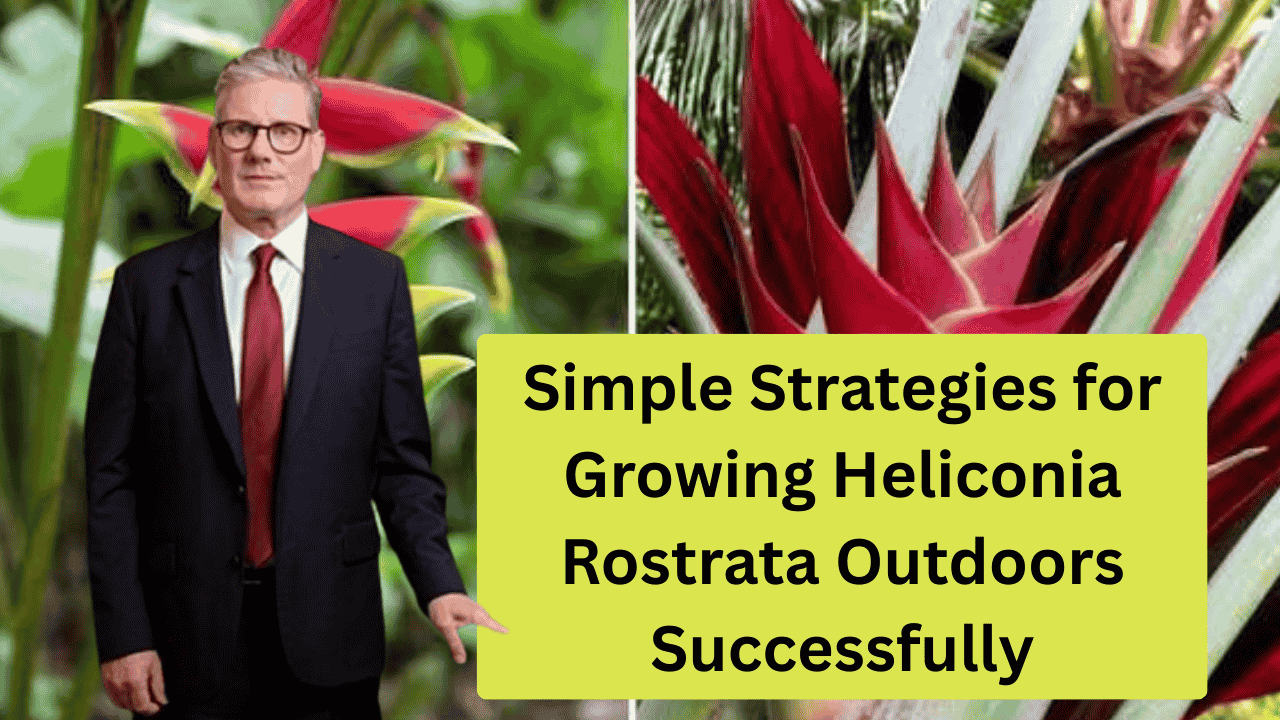
Heliconia rostrata, commonly known as the hanging lobster claw or false bird of paradise, is one of the most dramatic tropical flowering plants you can grow outdoors. Its cascading red and yellow bracts create an instant tropical look and attract birds and pollinators. Although it looks exotic and high maintenance, heliconia rostrata can be grown successfully outdoors with the right strategies, even by home gardeners, as long as its basic tropical needs are met.

Understanding Heliconia Rostrata and Its Growth Habit
Heliconia rostrata is a perennial rhizomatous plant native to Central and South America. It grows in clumps from underground rhizomes and produces tall, banana-like foliage. Flowering stems emerge from mature rhizomes and carry pendant inflorescences that can last several weeks. Unlike many flowering plants, heliconias are grown as much for their foliage as for their striking blooms.
Why Heliconia Rostrata Is Perfect for Outdoor Gardens
This plant is ideal for outdoor landscapes because it creates strong visual impact with minimal design effort. It works well as a focal plant, background screen, or border in tropical and subtropical gardens. Once established, heliconia rostrata is relatively hardy, fast growing, and capable of producing flowers year after year with proper care.

Choosing the Right Climate for Outdoor Growth
Heliconia rostrata thrives in warm, humid climates. Ideal temperatures range between 20°C and 35°C. It does not tolerate frost and suffers damage when temperatures drop below 10°C. In cooler regions, it can still be grown outdoors during warm months and protected or moved to sheltered areas during winter.
Selecting the Best Outdoor Location
Choose a location that receives bright, filtered sunlight or partial shade. While heliconia can tolerate full sun in humid tropical regions, harsh afternoon sun in drier climates can scorch leaves. A spot with morning sun and afternoon shade works best. Protection from strong winds is important, as large leaves tear easily.
Soil Requirements for Strong Heliconia Growth
Well-draining, fertile soil is essential. Heliconia rostrata prefers rich soil high in organic matter. Sandy loam or loamy soil amended with compost, well-rotted manure, or leaf mold provides excellent results. Poor drainage leads to rhizome rot and weak growth, so raised beds are beneficial in heavy soils.

Preparing the Soil Before Planting
Before planting, loosen the soil to a depth of at least 12 to 18 inches. Mix in generous amounts of organic compost to improve nutrient content and moisture retention. Remove weeds thoroughly, as heliconia competes poorly with aggressive weeds during early establishment.
Planting Heliconia Rostrata Rhizomes
Heliconia rostrata is usually grown from rhizomes rather than seeds. Plant healthy rhizomes horizontally about two to three inches deep, with visible buds facing upward. Space plants at least three to four feet apart, as mature clumps spread widely. Water thoroughly after planting to settle the soil.
Watering Strategy for Outdoor Success
Heliconia requires consistent moisture to thrive. Water deeply and regularly, especially during hot or dry periods. The soil should remain evenly moist but never waterlogged. Inadequate watering results in slow growth and reduced flowering, while overwatering causes root and rhizome rot.

Mulching to Retain Moisture and Improve Soil
Mulching is a critical practice when growing heliconia outdoors. Apply a thick layer of organic mulch such as straw, dried leaves, bark chips, or compost around the base of the plant. Mulch conserves moisture, suppresses weeds, and gradually improves soil fertility as it decomposes.
Fertilization for Lush Growth and Flowering
Heliconia rostrata is a heavy feeder. Regular feeding is necessary for strong foliage and abundant blooms. Apply a balanced fertilizer or organic compost every four to six weeks during the growing season. Fertilizers higher in potassium promote better flowering and stronger stems.
Importance of Nitrogen Balance
Nitrogen encourages leafy growth, which is essential for energy production, but excessive nitrogen can delay flowering. A balanced feeding approach ensures both healthy foliage and flower development. Organic fertilizers release nutrients slowly and reduce the risk of nutrient burn.

Managing Sunlight Exposure
In full sun, heliconia grows more compact but requires more frequent watering. In partial shade, plants grow taller with broader leaves. Adjust sun exposure based on your climate. Observing leaf color and condition helps fine-tune placement and care.
Supporting Tall Stems and Preventing Damage
Mature heliconia plants can reach heights of 5 to 10 feet. In windy areas, staking may be necessary to prevent stems from bending or breaking. Planting near walls, fences, or natural windbreaks also helps protect foliage.
Pruning and Maintenance Practices
Regular maintenance keeps plants healthy and attractive. Remove old, yellowing, or damaged leaves at the base to improve airflow and reduce disease risk. After flowering, cut spent flower stalks close to the ground. This encourages energy to be redirected into new growth.

Understanding the Flowering Cycle
Heliconia rostrata typically flowers once the plant is mature, usually in its second or third year. Each flowering stem blooms only once, but the clump continues producing new shoots. Patience during the establishment phase is essential for long-term success.
Encouraging More Blooms
Consistent watering, adequate feeding, and sufficient sunlight are the main factors influencing flowering. Stress from drought, nutrient deficiency, or overcrowding reduces bloom production. Dividing overcrowded clumps every few years rejuvenates plants and restores flowering vigor.
Pests Commonly Affecting Heliconia Outdoors
Common pests include aphids, spider mites, mealybugs, and caterpillars. Regular inspection helps early detection. Neem oil spray or insecticidal soap effectively controls most pests without harming beneficial insects. Healthy plants are naturally more resistant to infestations.


Disease Prevention and Control
Fungal diseases such as leaf spot and root rot occur in poorly drained or overcrowded conditions. Good spacing, proper watering, and removing infected plant material reduce disease risk. Avoid overhead watering late in the day, as prolonged leaf wetness promotes fungal growth.
Managing Heliconia During Heavy Rainfall
In regions with heavy rainfall, ensure excellent drainage to prevent waterlogging. Raised beds, sloped planting areas, or drainage channels help protect rhizomes. Mulch should be refreshed after heavy rains to maintain soil structure.
Seasonal Care and Temperature Protection
During cooler months, growth may slow significantly. Reduce watering slightly but do not allow soil to dry out completely. In marginal climates, cover plants with frost cloth or mulch heavily around the base to protect rhizomes from cold damage.

Growing Heliconia Rostrata in Tropical Landscapes
In tropical gardens, heliconia integrates well with banana plants, gingers, cannas, and palms. Group planting enhances humidity and creates a lush environment. Strategic placement adds depth and visual drama to outdoor spaces.
Dividing Heliconia Clumps for Propagation
Clumps can be divided every three to four years to control size and propagate new plants. Dig up the clump carefully and separate healthy rhizomes with shoots attached. Replant immediately in prepared soil and water well.
Common Mistakes to Avoid
Planting in poor drainage, neglecting watering, underfeeding, and expecting flowers too early are common mistakes. Removing green leaves excessively weakens the plant. Understanding the growth cycle prevents unnecessary frustration.

Benefits of Growing Heliconia Rostrata Outdoors
Beyond its stunning appearance, heliconia attracts birds and pollinators, adds privacy, and enhances garden biodiversity. It is long-lived and becomes more impressive with age. Proper care transforms it into a reliable landscape feature.
Long-Term Care for Sustainable Growth
Consistency is the key to success with heliconia rostrata. Maintaining soil fertility, moisture, and spacing ensures continuous healthy growth and flowering. Over time, outdoor-grown heliconias become resilient, low-maintenance plants that deliver spectacular visual rewards.






Leave a Comment