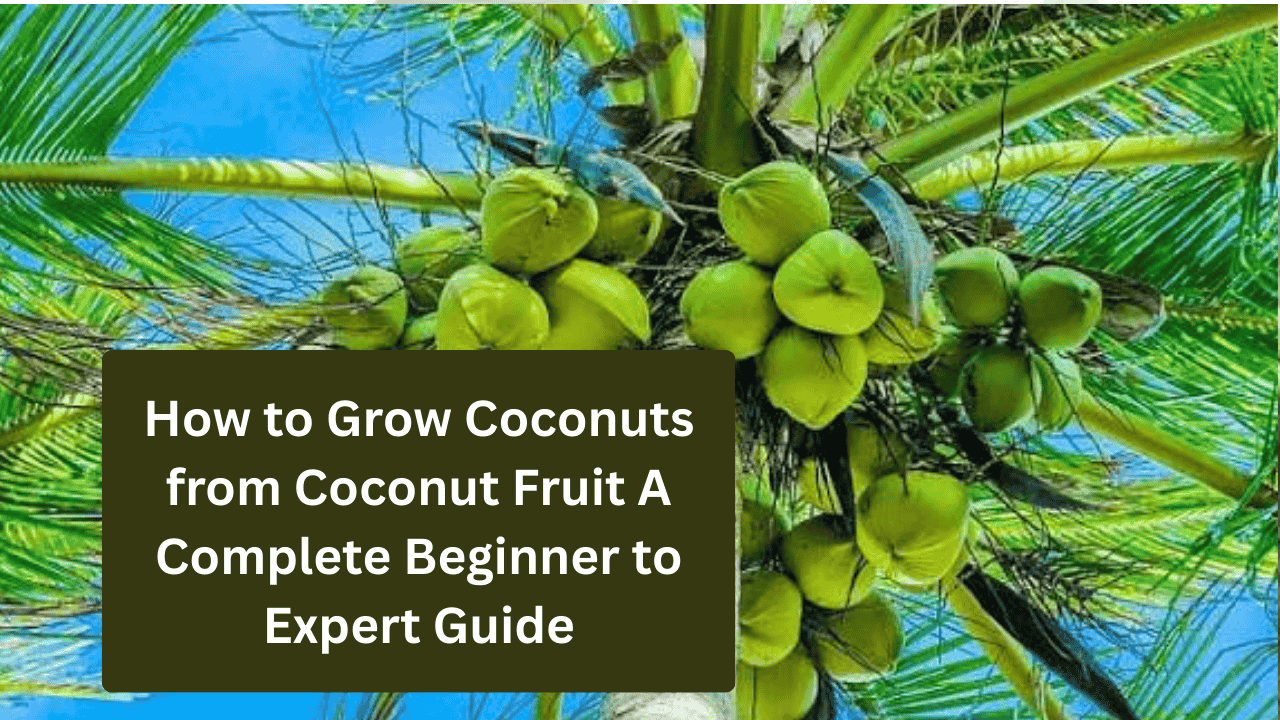
Growing a coconut tree from a coconut fruit is one of the most rewarding long term gardening projects you can start. Coconut palms are iconic tropical trees that provide shade, beauty and eventually nutritious coconuts. While they are slow growers and require patience, the process itself is simple when done correctly. With the right fruit, proper preparation and consistent care, anyone in a warm climate can grow a coconut palm from scratch.
Coconut trees thrive best in tropical and subtropical regions, but many gardeners enjoy starting them at home even if full maturity takes years. Understanding each stage from selecting the coconut to nurturing a young palm is essential for success.

Choosing the Right Coconut for Planting
Not every coconut sold in stores can grow into a tree. The most important step is selecting a fresh mature coconut that still has its husk intact. Coconuts that are brown and fibrous on the outside are mature and suitable for planting. Green tender coconuts are too young and will not sprout properly.

Shake the coconut before buying it. You should hear water sloshing inside. This means the coconut is still alive and viable. Avoid coconuts with cracks, mold or a sour smell. Freshness directly affects germination success.
If possible, source coconuts from a local tropical market or directly from a coconut tree. Store bought coconuts often have their husks removed or are treated for long shelf life, which reduces sprouting chances.
Preparing the Coconut for Germination
Once you have a suitable coconut, preparation helps speed up sprouting. Do not remove the husk completely, as the husk protects the seed and helps retain moisture. You can trim loose fibers if needed, but keep most of the husk intact.

Soak the coconut in warm water for two to three days. This softens the husk and helps activate the embryo inside. Change the water daily to prevent stagnation.
After soaking, identify the three dark spots on one end of the coconut. One of these is the germination eye. This is where the shoot will emerge. Keep this side facing upward during planting.
Choosing the Right Location
Coconut trees need warmth, sunlight and space. Choose a location that receives full sun for at least six to eight hours daily. The area should be protected from strong winds during the early growth stage.

If planting outdoors, ensure the climate stays warm year round. Coconut palms struggle in temperatures below 15 degrees Celsius and do not tolerate frost. Coastal and tropical regions are ideal.
For container growing, select a large pot with drainage holes. This allows gardeners in marginal climates to start the plant and move it if needed.
Soil Requirements for Coconut Growth
Well draining soil is critical for coconut trees. They do not tolerate waterlogged roots. Sandy loam soil mixed with organic matter works best. If your soil is heavy clay, amend it with sand and compost to improve drainage.

The soil should be slightly acidic to neutral. Rich soil supports early root development, but coconuts are adaptable once established. Avoid compacted soil that restricts root expansion.
In containers, use a high quality palm or tropical plant potting mix. Ensure excess water can drain freely to prevent root rot.
Planting the Coconut
Dig a shallow hole large enough to hold the coconut horizontally or at a slight angle. About one third of the coconut should remain above the soil surface. Do not bury it completely.

Position the coconut with the pointed end or germination eye facing upward. Backfill gently and firm the soil without compacting it.
Water thoroughly after planting. The soil should remain moist but never soggy. Consistent moisture is essential during the germination phase.
Germination Timeline and What to Expect
Coconut germination is slow and requires patience. Sprouting can take anywhere from three months to six months depending on temperature and moisture conditions.

You will first notice a thick shoot emerging from the top. This will eventually form the trunk. Roots develop from the base of the coconut and anchor the plant into the soil.
Do not disturb the coconut during this stage. Avoid digging or repositioning it once planted, as this can damage developing roots.
Watering and Moisture Needs
Young coconut plants require regular watering. Keep the soil consistently moist but not waterlogged. In hot climates, watering two to three times a week may be necessary.

As the plant matures, it becomes more drought tolerant but still benefits from deep watering. Natural rainfall often provides sufficient moisture in tropical regions.
Mulching around the base helps retain moisture and regulate soil temperature. Keep mulch a few inches away from the trunk to prevent rot.
Sunlight and Temperature Requirements
Coconut palms thrive in full sunlight. Insufficient light slows growth and weakens the plant. Ensure the growing area is open and unobstructed.

Ideal temperatures range between 25 and 32 degrees Celsius. Growth slows significantly in cooler weather. In borderline climates, growing coconuts in containers allows them to be moved to warmer locations.
Cold stress can cause leaf yellowing and stunted growth. Protect young plants from sudden temperature drops.
Fertilizing Coconut Plants
During the first year, coconut seedlings rely mostly on nutrients stored inside the coconut itself. After that, light fertilization supports healthy growth.
Use a balanced fertilizer designed for palms. Nutrients like nitrogen, potassium and magnesium are especially important. Apply fertilizer every three to four months during the growing season.
Avoid over fertilizing, as this can burn roots and damage the plant. Always water after applying fertilizer.

Transplanting and Spacing Considerations
If grown in a container, coconut seedlings should be transplanted to the ground once they develop several strong leaves and a stable root system. Choose a permanent location with ample space.
Coconut trees grow large and should be spaced at least six to eight meters apart. Planting too close can cause competition for nutrients and sunlight.
Transplant carefully to avoid root damage. Keep the original coconut attached during transplanting, as it continues to nourish the young plant.
Long Term Care and Growth Expectations
Coconut trees grow slowly at first but gain momentum after a few years. It can take six to ten years before the tree produces coconuts, depending on variety and conditions.
Regular care includes watering during dry periods, periodic fertilization and removal of dead fronds. Mature trees are relatively low maintenance.
Pests are generally minimal, but watch for signs of nutrient deficiencies such as yellowing leaves or poor growth.
Common Mistakes to Avoid
Planting immature or dried coconuts is a common cause of failure. Always choose fresh mature fruits with intact husks.
Overwatering is another frequent issue. While coconuts love moisture, standing water suffocates roots and causes rot.
Lack of sunlight severely impacts growth. Coconut palms are sun loving trees and do not thrive in shade.







Leave a Comment