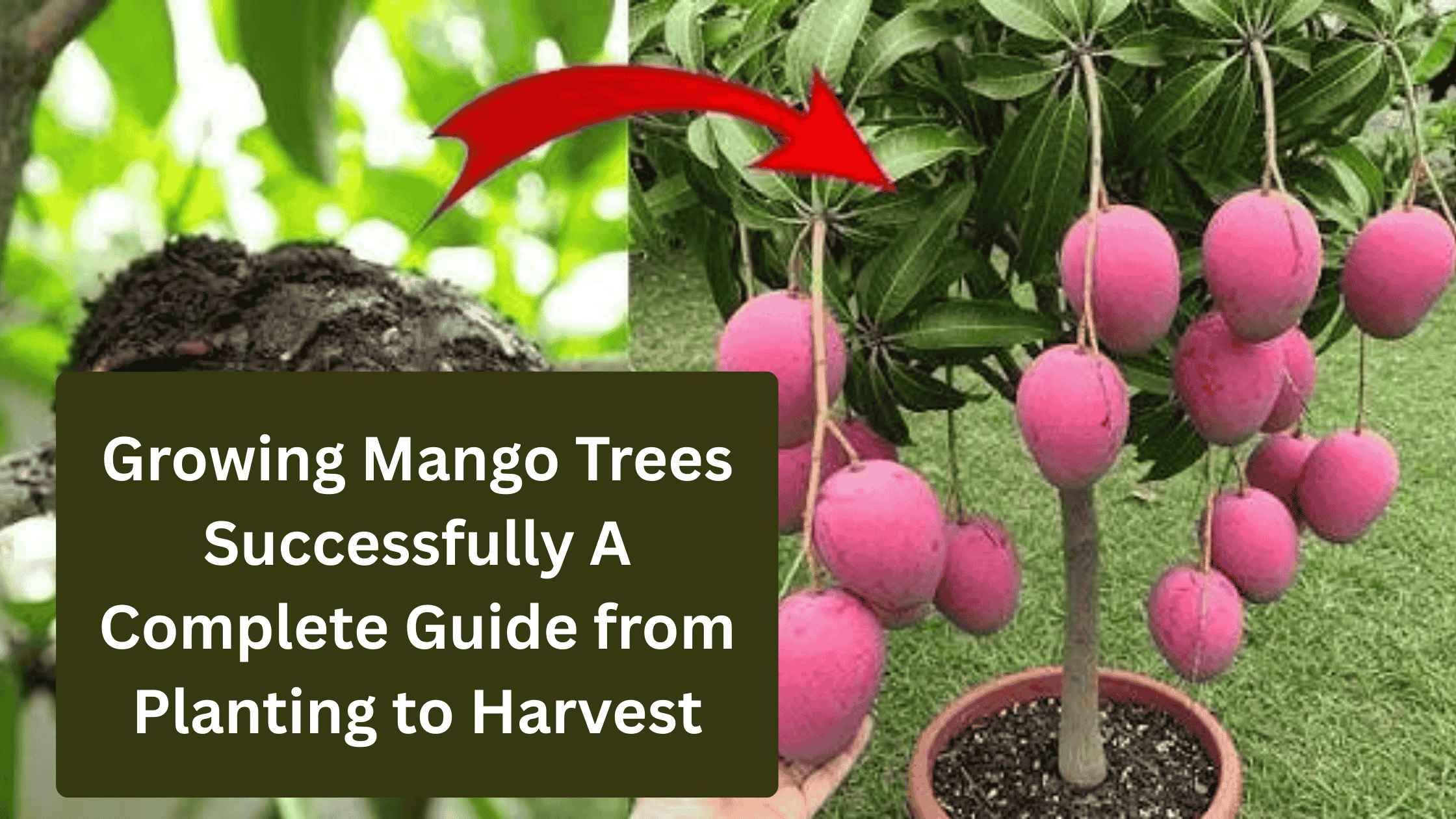
Growing a mango tree is a long term but highly rewarding gardening experience. Mango trees are valued for their sweet fruit, dense foliage and ornamental appeal. With the right planting method, climate conditions and ongoing care, mango trees can thrive for decades and produce abundant harvests year after year. Whether grown in the ground or in large containers, understanding each stage of growth is the key to success.
Mango trees originate from tropical and subtropical regions and perform best in warm climates with plenty of sunlight. While they are hardy once established, young mango plants require careful attention during their early years.

Choosing the Right Mango Variety
Selecting the right mango variety is the foundation of successful growth. Some mango types grow very large and are best suited for open landscapes, while others are compact and suitable for home gardens or container growing.

Popular varieties for home growers include dwarf or semi dwarf types that are easier to manage and harvest. Climate compatibility is also important, as some varieties tolerate cooler temperatures better than others.
Always choose healthy nursery plants or fresh seeds from fully ripe mangoes. Avoid damaged or diseased plant material, as this can delay growth and reduce fruit production.
Growing Mango from Seed or Grafted Plant
Mango trees can be grown from seed or from grafted saplings. Growing from seed is economical and educational but does not always produce fruit identical to the parent tree. Grafted plants offer more predictable fruit quality and faster production.

To grow from seed, remove the hard outer shell carefully and extract the inner kernel. Plant it immediately, as mango seeds lose viability quickly. Position the seed sideways in moist soil with part of it exposed.
Grafted saplings should be planted gently, keeping the graft union above soil level to prevent rot and disease.
Ideal Climate and Temperature Conditions
Mango trees thrive in warm climates with temperatures between 24 and 35 degrees Celsius. They are sensitive to frost and prolonged cold, which can damage leaves, flowers and young fruit.

Full sun exposure is essential. Mango trees require at least six to eight hours of direct sunlight daily. Poor sunlight leads to weak growth and poor flowering.
In cooler regions, mango trees can be grown in large containers and moved to protected areas during cold months.
Soil Requirements for Mango Trees
Well draining soil is crucial for mango cultivation. Sandy loam or loamy soil enriched with organic matter provides the best environment for root development.

Avoid heavy clay soils unless amended with sand and compost. Poor drainage leads to root rot, one of the most common problems in mango trees.
The soil pH should be slightly acidic to neutral. Regular soil improvement with compost enhances nutrient availability and moisture retention.
Planting Mango Trees Correctly
Dig a hole twice as wide and as deep as the root ball. Loosen the surrounding soil to encourage root spread. Place the tree in the hole so that the root collar sits slightly above ground level.

Backfill gently and water thoroughly to eliminate air pockets. Do not compact the soil too tightly. Mulching around the base helps retain moisture and suppress weeds.
When planting multiple trees, allow sufficient spacing. Mango trees need ample airflow and sunlight to reduce disease risk and promote fruiting.
Watering Schedule and Moisture Management
Young mango trees require regular watering during their first two to three years. Water deeply but allow the soil to dry slightly between watering sessions.

Once established, mango trees are drought tolerant but benefit from occasional deep watering during dry periods. Overwatering should be avoided, especially during flowering and fruit development.
Excessive moisture during flowering can reduce fruit set and increase disease risk.

Fertilization and Nutrient Needs
Proper nutrition supports healthy growth and fruit production. Young trees benefit from light, balanced fertilization every two to three months.

As the tree matures, increase potassium and phosphorus levels to support flowering and fruit development. Organic compost and well rotted manure also improve soil structure and nutrient content.
Avoid over fertilization, especially with nitrogen, as this promotes leaf growth at the expense of fruiting.
Pruning and Tree Shaping
Pruning helps maintain manageable tree size, improves air circulation and encourages productive branching. Begin shaping the tree early by removing weak or crossing branches.

After harvest, prune lightly to remove dead or diseased wood. Avoid heavy pruning during flowering or fruiting periods.
Keeping the canopy open allows sunlight to penetrate evenly, improving fruit quality and reducing pest issues.
Flowering and Pollination
Mango trees usually flower during cooler, drier periods. The small flowers are pollinated by insects such as bees and flies.
Avoid excessive watering or fertilization during flowering, as this can cause flower drop. Stable weather conditions during this stage improve fruit set.
Some flower loss is normal, as mango trees naturally produce more flowers than fruits.
Fruit Development and Care
Once fruit sets, mangoes take several months to mature. Support branches if heavy fruit loads cause bending or cracking.
Protect developing fruit from pests and birds using nets if necessary. Avoid spraying chemicals during fruit development unless absolutely required.
Consistent watering during fruit growth helps prevent fruit drop and improves size and flavor.
Pest and Disease Management
Common mango pests include fruit flies, aphids and scale insects. Regular inspection helps detect problems early.
Fungal diseases such as powdery mildew and anthracnose can affect flowers and fruit, especially in humid conditions. Proper airflow and avoiding overhead watering reduce disease risk.
Organic control methods, such as neem oil and beneficial insects, are often effective for home gardens.
Harvesting Mangoes at the Right Time
Mangoes are typically harvested when they reach full size and begin changing color. Slight softness near the stem and a fruity aroma indicate ripeness.
Use clean tools to cut fruit, leaving a short stem attached. Handle mangoes gently to avoid bruising.
Harvested mangoes can ripen further at room temperature if picked slightly early.
Long Term Care and Yield Expectations
Mango trees usually begin producing fruit three to five years after planting, depending on variety and growing conditions. Mature trees can produce dozens to hundreds of fruits each season.
With proper care, mango trees can remain productive for decades. Regular maintenance, soil improvement and pest monitoring ensure consistent yields.
Patience is essential, as mango trees reward long term dedication with exceptional harvests.







Leave a Comment