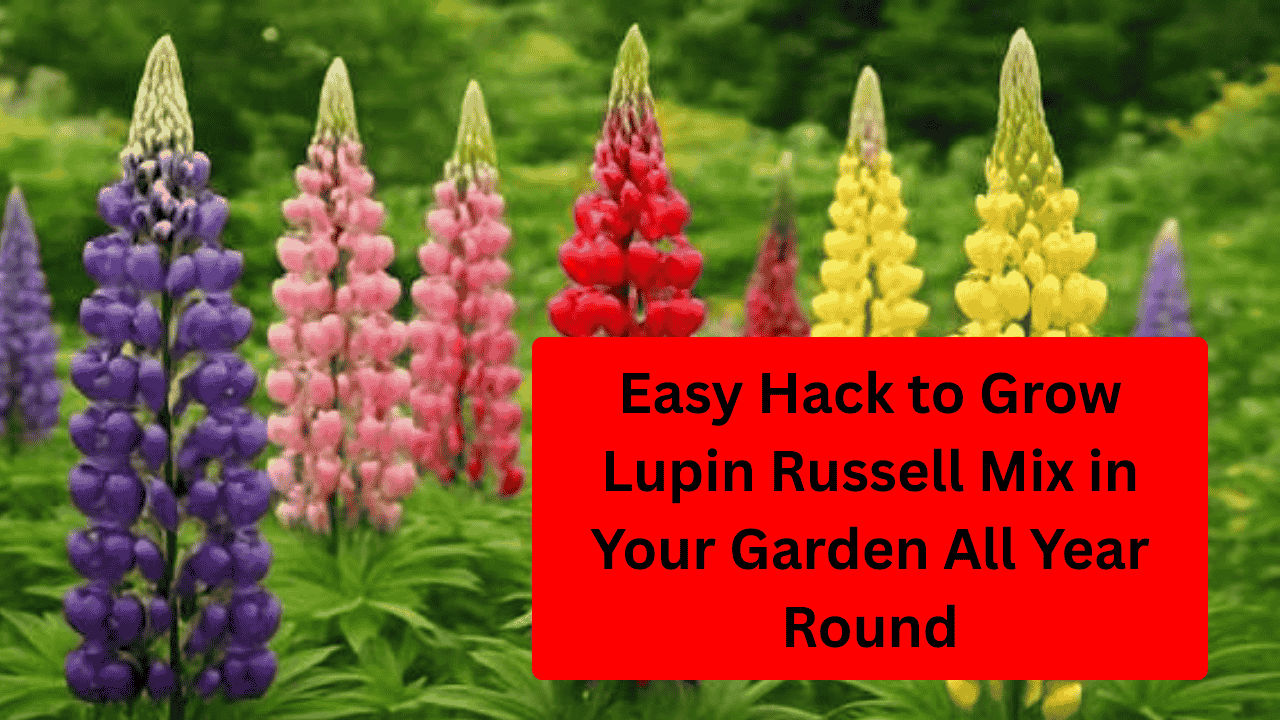
Lupin Russell Mix is one of the most visually striking flowering plants, known for its tall, colorful spikes that instantly elevate any garden space. With the right approach, these vibrant perennials can be grown successfully almost year round, even by beginner gardeners. Using a few simple techniques, you can enjoy continuous blooms, stronger plants, and long-lasting color without complicated maintenance.
Understanding Lupin Russell Mix Growth Habit
Lupin Russell Mix is a hybrid lupin variety bred for dense flower spikes and a wide range of colors including blue, purple, pink, red, yellow, and white. These plants are deep-rooted and naturally adapted to cooler climates, but with proper soil preparation and seasonal care, they can thrive across different conditions. Lupins are nitrogen-fixing plants, meaning they improve soil fertility as they grow.

Why Lupin Russell Mix Is Ideal for Home Gardens
These plants offer both ornamental and ecological benefits. Lupins attract pollinators such as bees and butterflies, improve soil structure, and add vertical interest to garden beds. They are excellent for borders, cottage gardens, and mixed flower beds. Once established, lupins are relatively low maintenance and reward gardeners with dramatic floral displays.

Choosing the Right Location for Year-Round Growth
Lupins prefer a sunny to partially shaded location. At least five to six hours of sunlight daily is essential for strong flowering. In hotter climates, morning sun with afternoon shade helps prevent heat stress. Good air circulation is important to reduce fungal problems, especially in humid regions.
Soil Preparation for Healthy Lupin Plants
Well-draining soil is the most critical requirement for lupins. Heavy clay soil leads to root rot and weak growth. Amend garden soil with compost, coarse sand, or perlite to improve drainage. Lupins prefer slightly acidic to neutral soil. Avoid excessive organic matter that retains too much moisture around the roots.
Seed Selection and Pre-Sowing Treatment
High-quality seeds are essential for uniform growth and strong flowering. Lupin seeds have a hard outer coat, which slows germination. Soaking seeds in warm water for 12 to 24 hours before sowing softens the seed coat and significantly improves germination rates. Scarifying seeds lightly with sandpaper is another effective method.

Best Time to Sow Lupin Russell Mix
In cooler climates, sow seeds in early spring or late autumn. In warmer regions, late autumn to early winter sowing produces the best results. For year-round growth, stagger sowing every six to eight weeks. This ensures continuous flowering cycles rather than a single seasonal display.

Sowing Method for Strong Seedlings
Sow seeds directly into the garden or deep containers, as lupins dislike transplanting due to their long taproot. Place seeds about half an inch deep and space them at least 12 to 18 inches apart. Water gently after sowing to avoid displacing seeds. Germination usually occurs within 10 to 14 days.
Growing Lupins in Containers Successfully
If garden space is limited, lupins can be grown in deep containers at least 12 to 15 inches deep. Use tall pots to accommodate the taproot. Ensure excellent drainage and avoid waterlogged conditions. Container-grown lupins should be placed where they receive adequate sunlight and protection from strong winds.

Watering Practices for Continuous Growth
Lupins prefer evenly moist soil but do not tolerate soggy conditions. Water deeply once or twice a week depending on climate. During hot or dry periods, increase watering frequency slightly. Avoid overhead watering, as wet foliage encourages fungal diseases.
Feeding and Fertilization Strategy
Because lupins fix their own nitrogen, they require minimal fertilization. Excess nitrogen results in lush foliage with fewer flowers. Use a low-nitrogen, phosphorus-rich fertilizer at the beginning of the growing season to encourage strong root development and blooming. Organic bone meal or compost tea works well.
Supporting Tall Flower Spikes
Mature lupins can grow three to four feet tall, making them vulnerable to wind damage. Install stakes early in the growing season to support flower spikes. Tie stems loosely to avoid restricting growth. Proper support prevents bending and breakage, especially during heavy rain.

Deadheading and Pruning for Repeat Blooms
Removing spent flower spikes promptly encourages the plant to produce new blooms. Cut the flower stem back to the base once flowers fade. Regular deadheading extends the flowering period and keeps the plant looking tidy. At the end of the season, cut back foliage once it yellows naturally.
Managing Pests and Diseases Naturally
Aphids are the most common pest affecting lupins. Regular inspection and neem oil spray keep infestations under control. Powdery mildew may appear in humid conditions. Ensuring good airflow and avoiding overcrowding reduces disease risk. Remove infected leaves immediately to prevent spread.
Seasonal Care for Year-Round Success
In winter, mulch around the base of plants to protect roots from extreme cold. In hot summers, provide light shade and consistent watering. Lupins may go dormant during extreme weather but usually recover when conditions improve. Proper seasonal care extends plant lifespan and performance.

Encouraging Self-Seeding Without Overcrowding
Lupins readily self-seed if flower heads are left to mature. Allow a few seed pods to dry naturally if you want new plants the following season. Thin seedlings early to maintain proper spacing and prevent competition.
Common Mistakes to Avoid When Growing Lupins
Avoid transplanting mature plants, as this damages the taproot. Overwatering and heavy fertilization are frequent causes of failure. Planting in poorly drained soil almost always results in weak growth or plant loss. Correct site selection solves most problems.
Benefits of Growing Lupin Russell Mix All Year Round
Beyond beauty, lupins improve soil health, support pollinators, and require relatively low maintenance once established. Their long flowering season and bold colors make them a valuable addition to any garden, whether large or small.

Maximizing Visual Impact in Garden Design
Plant lupins in groups rather than individually for a stronger visual effect. Combine them with low-growing perennials or grasses to highlight their height and color. Mixing different Russell Mix shades creates a vibrant, layered garden display throughout the year.









Leave a Comment