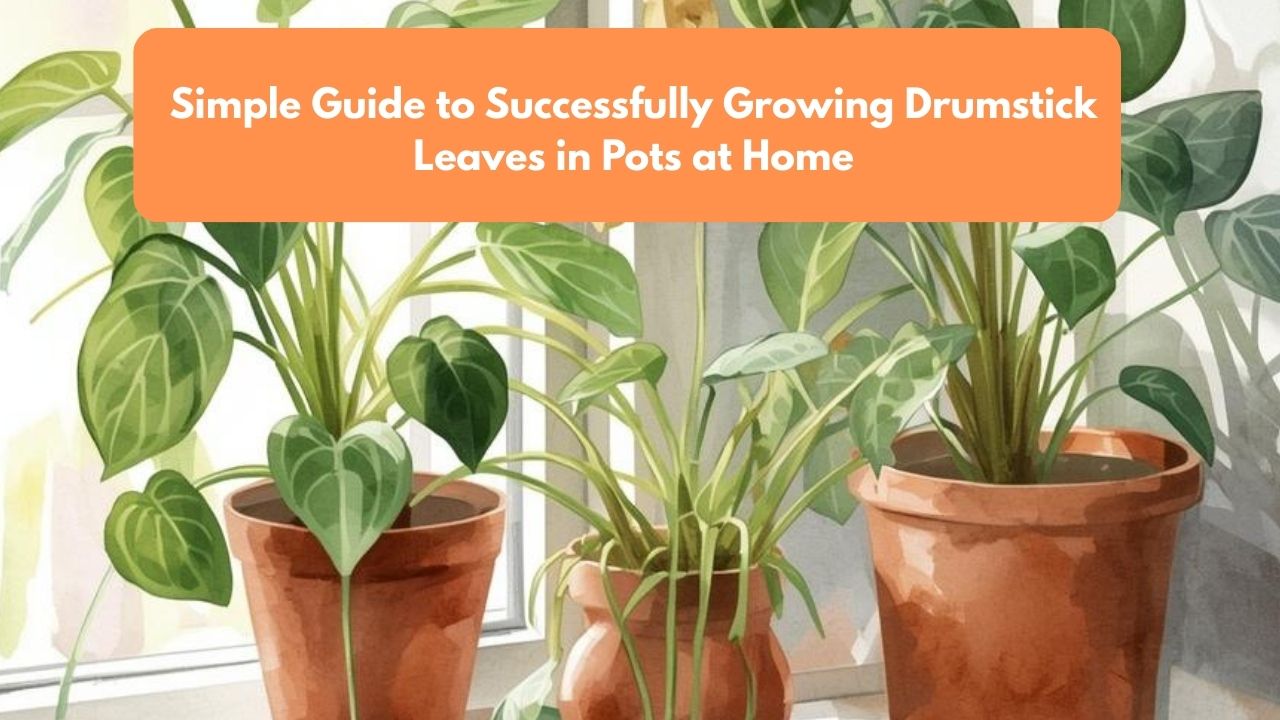
For many households, drumstick leaves are more than just a green vegetable. They are tied to traditional cooking, home remedies, and memories of meals prepared with care. Fresh drumstick leaves are not always easy to find in markets, and when they are available, they may lack freshness. Growing them at home in pots offers a reliable solution, even for people with limited space.
Drumstick leaves come from the moringa plant, which is known for its fast growth and nutrient-rich foliage. With the right approach, you can grow healthy drumstick leaves in containers on a balcony, terrace, or sunny corner of your home.
This guide walks you through everything you need to know to successfully grow drumstick leaves in pots, from planting to harvesting, using simple and practical methods.
Understanding Drumstick Leaves and Container Growth
Drumstick leaves grow on the moringa plant, a hardy species that adapts well to different conditions. While moringa trees can grow tall in the ground, they respond well to pruning and container cultivation.
Growing drumstick leaves in pots allows you to control the plant’s size, soil quality, and water intake. This makes container growing ideal for urban homes and small gardens.
The key is to focus on leaf production rather than allowing the plant to grow into a full-sized tree.

Choosing the Right Pot Size and Material
Pot selection is one of the most important steps when growing drumstick leaves at home. Moringa plants develop strong roots, so they need enough space to grow.
A pot that is at least 12–18 inches deep and wide is ideal for leaf production. Larger pots allow better root development and reduce stress on the plant.
Clay pots provide good airflow but dry out faster. Plastic pots retain moisture longer. Both work well as long as drainage holes are present.

Preparing the Ideal Soil Mix for Pots
Drumstick plants thrive in loose, well-draining soil. Heavy or compacted soil restricts root growth and can cause waterlogging.
A good soil mix includes garden soil, sand, and organic compost. This combination provides nutrients while allowing excess water to drain easily.
Avoid soil that stays wet for long periods. Poor drainage is one of the most common reasons potted drumstick plants fail.

Starting Drumstick Leaves From Seeds or Cuttings
Drumstick plants can be grown from seeds or cuttings. Seeds are the most common and reliable option for beginners.
Soak seeds in water for 12 hours before planting to improve germination. Sow them directly into the pot, about one inch deep.
Cuttings can also be used if you have access to a healthy moringa plant. Choose a mature stem and plant it firmly in prepared soil.

Finding the Best Location for Your Pots
Drumstick plants love sunlight. Place the pot in a location where it receives at least six hours of direct sunlight each day.
Balconies, terraces, and open windowsills are good choices. Insufficient light leads to weak growth and fewer leaves.
If growing indoors, place the pot near the brightest window available and rotate it occasionally for even growth.

Watering Drumstick Plants the Right Way
Proper watering is essential for healthy leaf production. Drumstick plants prefer moderate watering rather than constant moisture.
Water the plant thoroughly, then allow the top layer of soil to dry before watering again. Overwatering can lead to root rot and yellowing leaves.
During rainy seasons or cooler months, reduce watering frequency to prevent waterlogging.

Temperature and Climate Considerations
Drumstick plants grow best in warm climates. They thrive in temperatures between 25°C and 35°C.
While they tolerate heat well, they are sensitive to frost. In colder regions, pots should be moved indoors or protected during winter.
Consistent warmth encourages faster leaf growth and healthier plants.

Feeding the Plant for Continuous Leaf Growth
Because drumstick leaves are harvested regularly, the plant benefits from occasional feeding.
Apply organic compost or liquid fertilizer once every three to four weeks during the growing season. This replenishes nutrients lost during harvesting.
Avoid over-fertilizing, as excessive nutrients can cause rapid but weak growth.
Pruning to Encourage Bushy Growth
Pruning is essential when growing drumstick leaves in pots. Without pruning, the plant grows tall and produces fewer leaves at reachable levels.
Pinch the top growth once the plant reaches about 12–18 inches tall. This encourages side branches and increases leaf production.
Regular pruning keeps the plant compact and manageable while improving yield.
Supporting the Plant as It Grows
Drumstick plants grown in pots may need support as they grow taller. Wind and uneven growth can cause the plant to lean.
Use a small stake to support the main stem if needed. Secure it loosely to allow natural movement.
This support helps prevent breakage and keeps the plant upright.
Real-Life Experiences From Home Growers
A home gardener growing drumstick leaves on a small terrace shared that regular pruning made all the difference. “Once I started cutting the top regularly, the plant became bushy and gave leaves every week,” they said.
Another grower mentioned that switching to larger pots improved leaf size and overall health within a month.
Observations From Garden Practitioners
Many gardeners observe that drumstick plants are extremely forgiving. Even when neglected for short periods, they bounce back quickly.
However, they also note that overwatering causes more problems than under-watering, especially in containers.
Managing Common Problems in Potted Drumstick Plants
Yellow leaves usually indicate excess water or poor drainage. Allow the soil to dry and check drainage holes.
Slow growth may result from lack of sunlight or nutrients. Adjust placement and feeding accordingly.
Pests are rare but can appear occasionally. Washing leaves with water usually resolves minor infestations.
Harvesting Drumstick Leaves Safely
Leaves can be harvested once the plant is well established, usually within 6–8 weeks.
Always harvest mature leaves and avoid stripping the plant completely. Leave enough foliage for continued growth.
Frequent light harvesting encourages new leaves and keeps the plant productive.
Using Drumstick Leaves in Daily Cooking
Fresh drumstick leaves can be added to soups, curries, stir-fries, and stews. Homegrown leaves are tender and flavorful.
Harvest leaves just before cooking for the best taste and nutritional value.
Regular use ensures continuous growth and prevents the plant from becoming woody.
Long-Term Care and Maintenance
With proper care, a potted drumstick plant can produce leaves for years.
Refresh the soil annually by removing the top layer and adding fresh compost. Repot if roots become crowded.
Consistent pruning, sunlight, and moderate watering ensure long-term success.
What You Should Know Before Growing Drumstick Leaves in Pots
Drumstick plants grow fast but respond best to steady care.
They are ideal for beginners because they recover quickly from small mistakes and adapt well to container growing.
Growing your own leaves ensures freshness, savings, and a steady supply right at home.
Questions and Answers About Growing Drumstick Leaves in Pots
Can drumstick leaves be grown in pots?
Yes, they grow very well in containers with proper care.
How big should the pot be?
At least 12–18 inches deep and wide.
Do drumstick plants need full sun?
Yes, they require at least six hours of direct sunlight.
How often should I water the plant?
Only when the topsoil feels dry.
Can I grow drumstick leaves indoors?
Yes, if sufficient sunlight is available.
How long does it take to harvest leaves?
Usually 6–8 weeks after planting.
Is pruning necessary?
Yes, pruning encourages bushier growth.
Can I grow from seeds?
Yes, seeds are the most common method.
Does the plant need fertilizer?
Occasional feeding improves leaf production.
Are drumstick plants pest-resistant?
Mostly yes, with minimal issues.
Can I grow it year-round?
Yes, in warm climates or protected spaces.
Will the plant flower in pots?
It may flower if allowed to grow larger.
How long does a potted plant last?
Several years with proper care.
Can leaves be harvested weekly?
Yes, with light and regular harvesting





Leave a Comment