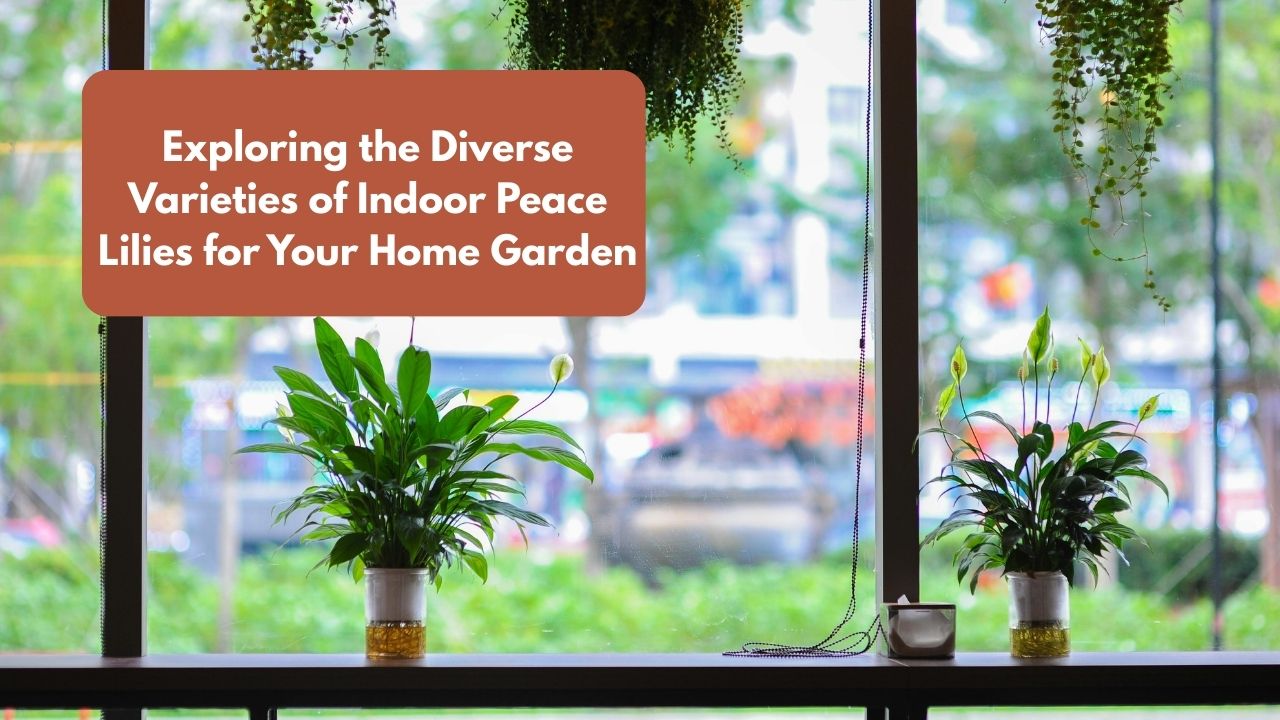
Few houseplants are as quietly comforting as peace lilies. Their deep green leaves and elegant white blooms have a way of softening a room, making spaces feel calmer and more welcoming. For many people, a peace lily is the first indoor plant they ever own, often received as a gift or bought to brighten a living space. What many don’t realize is that peace lilies are not just one plant, but a diverse group with many varieties, each offering its own size, shape, and character.
Understanding the different varieties of indoor peace lilies helps you choose the right plant for your home, whether you live in a small apartment, a bright house, or a low-light space. This guide explores the most popular and lesser-known peace lily varieties, how they differ, and how to care for them successfully indoors.
Understanding Peace Lilies as Indoor Plants
Peace lilies are prized for their adaptability. They are known for tolerating lower light conditions, forgiving occasional watering mistakes, and thriving indoors with minimal care.
What people often call the “flower” of a peace lily is actually a modified leaf known as a spathe, which surrounds a central spike. This structure gives peace lilies their iconic look and long-lasting blooms.
Different varieties vary widely in size, leaf texture, and growth habit, making it possible to find a peace lily suitable for almost any indoor environment.
Why Variety Matters When Choosing a Peace Lily
Choosing the right variety is about more than appearance. Some peace lilies grow tall and dramatic, while others remain compact and subtle.

Large varieties make strong visual statements in living rooms or offices. Smaller varieties work well on desks, shelves, or bedside tables.
Knowing the differences helps prevent disappointment and ensures the plant fits both the space and the care routine available.
Classic Peace Lily Varieties Found in Homes
The most commonly seen peace lilies are medium-sized plants with glossy green leaves and white spathes.

These varieties are popular because they strike a balance between beauty and ease of care. They adapt well to typical indoor lighting and respond quickly to watering.
They are often chosen by beginners because they clearly signal their needs, especially by drooping when thirsty and perking up after watering.
Compact Peace Lily Varieties for Small Spaces
Compact peace lilies are ideal for apartments, offices, and smaller rooms where space is limited.

These plants have shorter stems and narrower leaves but still produce elegant blooms. They fit easily on tables and shelves without overwhelming the area.
Despite their smaller size, compact varieties are just as resilient as larger ones and often bloom more frequently when well cared for.
Large and Statement Peace Lily Varieties
Larger peace lily varieties are designed to stand out. They have broad leaves, taller growth, and larger spathes.

These plants work well as floor plants and are often used to anchor a room visually. Their size allows them to fill empty corners and soften open spaces.
While they require more space, their care needs remain similar to smaller varieties, making them surprisingly easy to maintain.
Peace Lilies With Darker Foliage
Some peace lily varieties are known for their deeper green or slightly textured leaves.

These darker-leaf varieties add richness and contrast to indoor plant collections. Their foliage often looks glossy even in lower light conditions.
They tend to grow a bit slower but are highly valued for their elegant appearance and strong visual presence.
Peace Lilies With Unique Leaf Shapes
Not all peace lily leaves look the same. Some varieties feature elongated, narrow leaves, while others have wider, arching foliage.

Leaf shape affects how the plant fills space. Narrow-leaf varieties look airy and modern, while broader leaves create a lush, full appearance.
Choosing based on leaf shape allows you to match the plant’s look to your interior style.
Flowering Differences Among Varieties
While most peace lilies produce white spathes, size and frequency vary.

Some varieties bloom heavily once or twice a year, while others produce smaller blooms more frequently. Larger varieties often have fewer but more dramatic flowers.
Understanding flowering habits helps manage expectations and prevents unnecessary concern when blooms take time to appear.
Light Preferences Across Different Varieties
Peace lilies are famous for tolerating low light, but not all varieties respond the same way.
Compact and classic varieties adapt best to lower light. Larger varieties prefer brighter indirect light to maintain leaf color and bloom production.
Placing the plant in the right light conditions ensures healthy growth and consistent flowering.
Watering Needs and Variety Differences
Most peace lilies prefer evenly moist soil, but some varieties are more sensitive to drying out.
Smaller varieties dry out faster due to smaller root systems and pots. Larger varieties retain moisture longer and need careful monitoring to avoid overwatering.
Understanding your variety helps fine-tune watering routines and avoid common mistakes.
Humidity and Indoor Air Conditions
Peace lilies generally enjoy moderate humidity, which makes them suitable for bathrooms and kitchens.
Varieties with larger leaves benefit more from higher humidity, as their surface area increases moisture loss.
In dry homes, occasional misting or placing the plant near a water source improves overall health.
Growth Rate and Maintenance Expectations
Growth rates vary significantly among peace lily varieties.
Compact varieties grow slowly and maintain their shape with minimal pruning. Larger varieties grow faster and may need occasional trimming of old leaves.
Knowing the expected growth rate helps with long-term planning and pot selection.
Choosing the Right Pot and Soil for Different Varieties
All peace lilies need well-draining soil, but pot size should match the variety.
Compact varieties thrive in smaller pots and can become stressed if over-potted. Larger varieties benefit from deeper pots that support their root systems.
Using the right pot size encourages balanced growth and reduces the risk of root problems.
Real Experiences From Indoor Plant Owners
One apartment dweller shared that switching from a large peace lily to a compact variety transformed their space. “It fit perfectly on my desk and still bloomed beautifully,” they said.
Another plant owner noted that a large variety placed near a bright window became the focal point of their living room within a year.
Observations From Indoor Plant Care Providers
People who maintain indoor plants professionally often note that peace lilies thrive when left undisturbed.
Frequent moving, overwatering, or over-fertilizing tends to cause more harm than good. Consistency remains the key to success.
They also observe that variety choice plays a major role in long-term satisfaction.
Common Problems Across Peace Lily Varieties
Yellow leaves often signal overwatering, regardless of variety. Allowing the soil to dry slightly between watering helps.
Brown leaf tips usually indicate low humidity or mineral buildup. Using filtered water can improve leaf appearance.
Lack of flowers may result from insufficient light rather than poor plant health.
Using Peace Lilies in Interior Design
Peace lilies are versatile design elements. Compact varieties suit minimalist and modern interiors, while larger ones complement traditional and open-plan spaces.
Their neutral blooms pair well with almost any color scheme, making them easy to integrate into existing decor.
Grouping different varieties together can create a layered, natural look indoors.
Long-Term Care and Repotting Considerations
Peace lilies benefit from repotting every one to two years, depending on growth rate.
Compact varieties need less frequent repotting, while larger varieties may require it sooner.
Repotting refreshes soil nutrients and encourages new growth, helping the plant stay vibrant.
What You Should Know Before Choosing a Peace Lily Variety
Peace lilies are forgiving plants, but matching the variety to your space and lifestyle improves success.
Consider available light, space, and maintenance time before choosing.
The right variety can thrive for many years and become a lasting part of your home garden.
Questions and Answers About Indoor Peace Lily Varieties
Are all peace lilies suitable for indoor growing?
Yes, most varieties adapt well to indoor conditions.
Which variety is best for small apartments?
Compact varieties are ideal for limited space.
Do larger varieties need more care?
They need more space and light but similar care routines.
Can peace lilies grow in low light?
Yes, especially compact and classic varieties.
Why does my peace lily have dark green leaves but no flowers?
It may need brighter indirect light.
How often should peace lilies be watered?
When the top layer of soil feels slightly dry.
Do all varieties droop when thirsty?
Most do, making them easy to read.
Is misting necessary for peace lilies?
It helps, especially for large-leaf varieties.
How tall can large peace lilies grow indoors?
Some can reach up to 3–4 feet.
Are peace lilies fast growers?
Growth rate depends on the variety.
Can different varieties be grown together?
Yes, if light and watering needs are similar.
How long do peace lily flowers last?
Blooms can last several weeks.
Should dead flowers be removed?
Yes, to encourage new growth.
Are peace lilies suitable for beginners?
Yes, they are among the easiest houseplants.







Leave a Comment