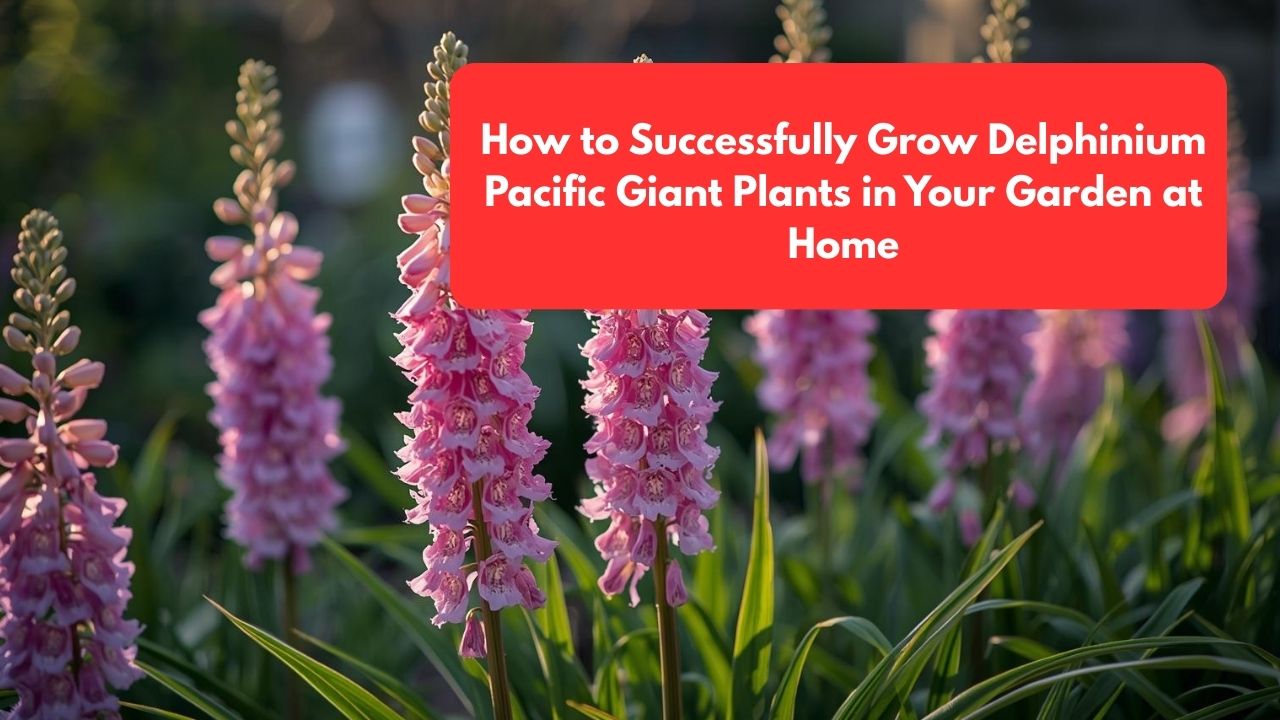
Tall, dramatic, and impossible to ignore, delphinium Pacific Giant plants have long been admired for their towering flower spikes and rich shades of blue, purple, pink, and white. For many gardeners, delphiniums represent classic cottage gardens and old-world charm. While they may look delicate and demanding, Pacific Giant delphiniums can be grown successfully at home with the right preparation and care.
Growing these striking plants is not about luck. It is about understanding their needs, choosing the right location, and maintaining steady care throughout the growing season. When done correctly, delphinium Pacific Giants reward gardeners with spectacular blooms that transform ordinary garden spaces into showpieces.
This guide explains how to grow delphinium Pacific Giant plants at home, from planting to flowering, using practical and proven methods.

Understanding Delphinium Pacific Giant Plants
Delphinium Pacific Giants are perennial flowering plants known for their tall flower spikes, which can reach heights of 5 to 6 feet under ideal conditions. They are often grown for their intense colors and vertical presence in garden borders.
These plants have a relatively short lifespan compared to some perennials, but they make a strong visual impact during their blooming period. With proper care, they can flower year after year and even produce multiple blooms in a single season.
Understanding their growth cycle is key. Delphiniums grow actively in cooler weather, bloom in late spring to early summer, and may slow down during extreme heat.

Choosing the Right Location in Your Garden
Location is one of the most important factors for growing delphinium Pacific Giants successfully.
They prefer a spot that receives full sun to partial shade. Morning sun with some afternoon shade works best, especially in warmer regions. Too much heat can stress the plants and shorten their blooming period.
Good air circulation is essential, but the plants should be protected from strong winds. Tall flower spikes can snap easily if exposed to heavy gusts.

Preparing the Soil for Healthy Growth
Delphiniums thrive in rich, well-draining soil. Heavy or compacted soil can lead to root rot and weak growth.
Before planting, loosen the soil deeply and mix in generous amounts of compost or well-rotted organic matter. This improves drainage while providing the nutrients delphiniums need to support tall stems and large blooms.
Soil that retains moisture without becoming waterlogged creates the ideal environment for strong root development.

Selecting Healthy Plants or Seeds
Delphinium Pacific Giants can be grown from seeds or nursery plants.
Seeds are economical but require patience and careful timing. Germination can be slow, and young seedlings are delicate.
Nursery-grown plants offer a head start and often bloom sooner. Look for plants with sturdy stems, healthy leaves, and no signs of disease.

Starting with strong plants increases your chances of success, especially if you are new to growing delphiniums.
Planting Delphiniums Correctly
When planting delphiniums, spacing matters. These plants need room for airflow and root expansion.
Dig planting holes wide enough to accommodate the root ball without crowding. Set the plant at the same depth it was growing previously.

Water thoroughly after planting to help settle the soil and remove air pockets around the roots.
Watering Practices for Strong Growth
Delphiniums require consistent moisture, especially during active growth and flowering.
Water deeply and regularly, ensuring the soil remains evenly moist. Avoid shallow watering, which encourages weak root systems.

At the same time, do not allow the soil to become waterlogged. Good drainage is essential to prevent root problems.
Mulching around the base of the plant helps retain moisture and regulate soil temperature.
Feeding Delphinium Pacific Giants for Tall Blooms
These plants are heavy feeders and benefit from regular fertilization.

Apply a balanced fertilizer at planting time and continue feeding every few weeks during the growing season. Nutrients support strong stems and large flower spikes.
Avoid excessive nitrogen, which can cause lush foliage at the expense of blooms. Balanced feeding produces healthier plants and better flowers.
Supporting Tall Flower Spikes
Delphinium Pacific Giants are known for their height, but tall stems need support.
Install stakes early in the season, before the plants reach full height. Gently tie stems to stakes as they grow to prevent breakage.
Providing support early prevents damage from wind and heavy rain later in the season.
Pruning and Deadheading for Extended Blooming
Deadheading plays an important role in encouraging additional blooms.
Once a flower spike finishes blooming, cut it back to the base. This prevents the plant from putting energy into seed production.
With proper care, many delphiniums will produce a second round of flowers later in the season.
Managing Heat and Seasonal Changes
Delphiniums prefer cooler conditions and can struggle in extreme heat.
In warm climates, providing afternoon shade helps reduce stress. Mulching also keeps roots cool during hot periods.
During very hot summers, growth may slow. Focus on maintaining moisture and plant health rather than forcing blooms.
Dealing With Common Pests and Diseases
Delphiniums can attract pests such as slugs, aphids, and caterpillars.
Regular inspection helps catch problems early. Removing pests by hand or using gentle control methods often prevents serious damage.
Good air circulation and proper spacing reduce the risk of fungal diseases, which delphiniums are prone to in damp conditions.
Real Experiences From Home Gardeners
A home gardener growing delphinium Pacific Giants in a mixed flower border shared that staking early made all the difference. “One year I waited too long, and the stems snapped after a storm. Now I stake them early and never have issues,” they said.
Another gardener mentioned that enriching the soil each spring led to taller plants and deeper flower colors.
Observations From Gardeners With Experience Growing Delphiniums
Gardeners who grow delphiniums regularly note that consistency matters more than complexity.
They emphasize steady watering, good soil preparation, and timely feeding as the foundation of success.
They also observe that delphiniums often perform better in their second year once established.
Encouraging Longevity in Delphinium Plants
Delphiniums are often considered short-lived perennials, but proper care can extend their lifespan.
Cutting back plants after flowering, keeping the crown healthy, and avoiding excessive stress help plants return year after year.
Dividing mature plants every few years can also rejuvenate growth and improve flowering.
Using Delphiniums in Garden Design
Delphinium Pacific Giants are ideal for the back of garden borders due to their height.
They pair well with medium-height plants that support their stems visually and create layered displays.
Their vertical form adds structure and elegance to cottage gardens and mixed perennial beds.
Preparing Delphiniums for Winter
In colder regions, delphiniums die back in winter.
Cut back foliage after it dies down and apply mulch to protect the crown from extreme cold.
In milder climates, plants may retain some foliage, but winter protection still helps ensure strong growth in spring.
Common Mistakes to Avoid
Overcrowding plants reduces airflow and increases disease risk.
Neglecting support leads to broken stems and lost blooms.
Allowing soil to dry out completely weakens plants and shortens flowering time.
Avoiding these mistakes improves success significantly.
Long-Term Care and Maintenance
Delphinium Pacific Giants require ongoing attention but reward it generously.
Annual soil enrichment, regular feeding, and consistent watering keep plants strong.
Over time, gardeners become familiar with their plants’ needs and can adjust care easily.
What You Should Know Before Growing Delphinium Pacific Giants
Delphiniums are not maintenance-free, but they are not impossible to grow.
They demand good soil, regular care, and protection from extremes.
For gardeners willing to invest time and effort, they offer unmatched beauty and height in the garden.
Questions and Answers About Growing Delphinium Pacific Giant Plants
Are delphinium Pacific Giants difficult to grow?
They require care but are manageable with proper preparation.
Do delphiniums need full sun?
They prefer full sun with some afternoon shade.
How tall do Pacific Giant delphiniums grow?
They can reach 5–6 feet.
Do they need staking?
Yes, staking is essential for tall stems.
How often should delphiniums be watered?
Regularly, keeping soil evenly moist.
Can they bloom more than once a year?
Yes, with deadheading and good care.
Are delphiniums perennials?
Yes, but they may be short-lived.
What soil do they prefer?
Rich, well-draining soil.
Can delphiniums grow in warm climates?
Yes, with afternoon shade and careful watering.
Do they attract pests?
They can, but problems are manageable.
When should delphiniums be planted?
Spring or early autumn works best.
Do they need fertilizer?
Yes, regular feeding supports blooms.
Can delphiniums be grown from seeds?
Yes, but seedlings require care.
How long do blooms last?
Several weeks, depending on conditions.











Leave a Comment