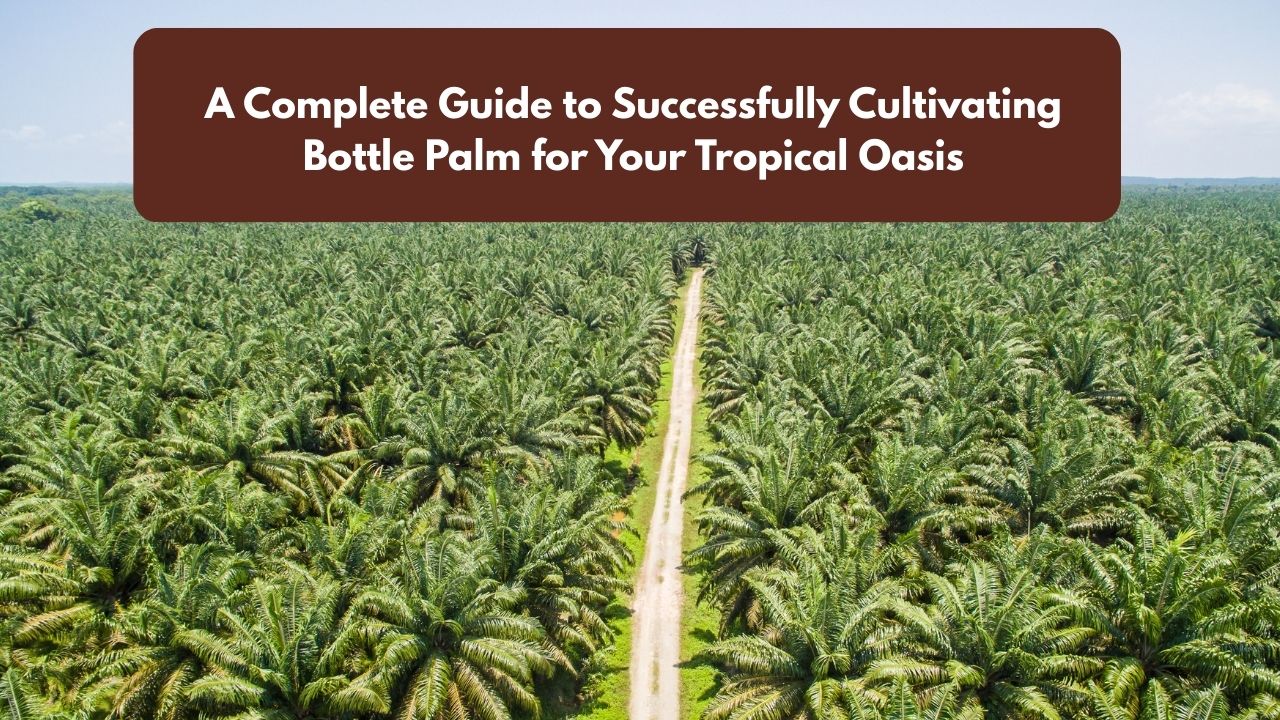
There is something instantly calming about the sight of a palm tree. Even a single palm can change the mood of a space, turning an ordinary garden, patio, or indoor corner into a tropical retreat. Among the many palm varieties available, the bottle palm stands out for its sculptural beauty and slow, manageable growth. Its swollen trunk and graceful fronds make it a favorite for home gardeners who want an exotic look without overwhelming maintenance.
Cultivating a bottle palm successfully requires patience and an understanding of its natural environment. When grown correctly, it can live for decades and become a striking focal point in your home or garden.
Here is a complete, practical guide to growing and maintaining a healthy bottle palm and creating your own tropical oasis.

Understanding the Bottle Palm and Its Unique Growth Pattern
The bottle palm gets its name from its thick, rounded trunk that resembles a bottle. This trunk stores water, helping the plant survive dry periods in its native habitat.
Bottle palms are slow growers. This is one of their greatest advantages for home gardeners, as they remain compact for many years. Their growth habit makes them suitable for containers, courtyards, and indoor spaces with good light.
Because of their slow pace, bottle palms reward consistent care rather than quick fixes. Rushing growth with excessive fertilizer or water often leads to problems.

Choosing the Right Bottle Palm for Your Space
When selecting a bottle palm, size matters. Young plants adapt more easily to new environments than mature specimens.
Look for a plant with a firm trunk and evenly green fronds. Avoid plants with brown leaf tips, soft trunks, or signs of pests. Healthy roots are just as important, so gently check that the plant is not root-bound if possible.
Decide early whether your palm will live indoors, outdoors, or move between both. This choice affects pot size, light exposure, and long-term care.

Ideal Location for Long-Term Success
Bottle palms thrive in bright environments. Outdoors, they prefer a sunny to partially shaded spot. Indoors, they need a location with strong natural light for most of the day.
A bright window, sunroom, or sheltered patio works well. Avoid placing the palm in dark corners, as low light leads to weak growth and pale leaves.
If grown outdoors, ensure the area is protected from strong winds, which can damage the fronds over time.

Selecting the Right Pot and Container
Containers play a crucial role in the health of bottle palms, especially when grown indoors or on patios.
Choose a pot with good drainage holes. The container should be heavy enough to support the palm’s weight as it grows, preventing tipping.
Avoid pots that are too large. Excess soil holds moisture longer, increasing the risk of root rot. A gradual increase in pot size every few years is ideal.

Soil Requirements for Healthy Root Development
Bottle palms need well-draining soil to thrive. Their roots are sensitive to prolonged moisture and compacted soil.
A loose mix containing potting soil, sand, and organic matter works well. This combination allows water to drain freely while still providing nutrients.
Avoid heavy clay-based soil, especially in containers, as it restricts airflow and retains excess water.

Watering the Bottle Palm Correctly
Proper watering is one of the most important aspects of bottle palm care. While the trunk stores water, the plant still needs regular moisture.
Water deeply, then allow the top layer of soil to dry before watering again. This cycle encourages strong root growth and prevents fungal issues.
During cooler months, reduce watering frequency. Overwatering in winter is a common cause of yellowing leaves and root problems.

Temperature and Climate Considerations
Bottle palms prefer warm, stable temperatures. They grow best in environments where temperatures remain above 15°C.
Cold exposure can damage the fronds and slow growth significantly. If you live in a cooler climate, it is best to grow bottle palms in containers that can be moved indoors during cold periods.
Sudden temperature changes should be avoided, as they stress the plant and may cause leaf drop.

Managing Light Exposure Indoors and Outdoors
Light requirements vary depending on where the palm is grown. Outdoors, bottle palms enjoy full sun to partial shade. Too much direct sun in very hot climates can scorch young plants.
Indoors, bright indirect light is ideal. If the palm receives direct sun through glass, monitor the leaves for signs of burning.
Rotating the pot every few weeks ensures even growth and prevents the plant from leaning toward the light source.
Feeding and Nutrient Management
Bottle palms are not heavy feeders, but they benefit from occasional fertilization.
Use a slow-release palm fertilizer during the growing season, typically spring and summer. This supports healthy frond development and trunk strength.
Avoid overfeeding, as excess fertilizer can burn roots and damage foliage. During winter, fertilization should be stopped entirely.
Pruning and General Maintenance
Pruning bottle palms is minimal compared to other plants. Remove only dead or fully brown fronds.
Never cut green or partially green leaves, as they continue to supply energy to the plant. Over-pruning weakens the palm and slows growth.
Use clean tools to prevent disease, and avoid damaging the trunk when removing old fronds.
Repotting and Long-Term Care
Because bottle palms grow slowly, repotting is infrequent. Most plants need repotting every three to four years.
When repotting, choose a slightly larger container and refresh the soil mix. Handle the root ball gently, as disturbing roots can cause stress.
After repotting, water lightly and place the palm in a shaded area for a few days to help it recover.
Real Stories From Home Gardeners
A homeowner who placed a bottle palm near their patio shared that it became the centerpiece of their outdoor space within two years. “Guests always ask about it. It feels like a resort plant, even though it barely needs attention,” they said.
Another indoor grower mentioned that patience was key. Growth was slow at first, but after settling into a routine, the palm stayed healthy year after year.
Observations From Garden Care Professionals
Garden maintenance professionals often note that bottle palms suffer more from overcare than neglect. Too much water, fertilizer, or pruning does more harm than good.
They emphasize the importance of drainage and light as the foundation of successful cultivation.
Common Problems and How to Address Them
Yellowing leaves are often caused by overwatering or poor drainage. Adjust the watering schedule and ensure excess water can escape.
Brown leaf tips may indicate low humidity or salt buildup from fertilizer. Flushing the soil with clean water can help.
Slow growth is normal for bottle palms. As long as the plant appears healthy, there is usually no cause for concern.
Using Bottle Palm in Landscape and Design
Bottle palms work beautifully as focal points in gardens, courtyards, and indoor spaces. Their unique shape pairs well with minimalist or tropical designs.
They can be planted alone or combined with low-growing plants to highlight their form. In containers, they add height and structure without overwhelming the space.
What You Should Know Before Planting a Bottle Palm
Bottle palms are long-term plants. They are not suited for gardeners seeking fast results, but they excel in stability and visual impact.
With proper care, a bottle palm becomes a living sculpture that enhances its surroundings year after year.
Questions and Answers About Growing Bottle Palm
Is bottle palm suitable for indoor growing?
Yes, with sufficient light and proper drainage.
How fast does a bottle palm grow?
It grows very slowly, especially in containers.
Does bottle palm need full sun?
It prefers bright light but tolerates partial shade.
How often should it be watered?
When the top layer of soil dries out.
Can bottle palm survive cold temperatures?
It is sensitive to cold and should be protected.
Does it need frequent fertilizing?
No, light feeding during the growing season is enough.
Should I mist the leaves?
Occasional misting helps in dry environments.
Can bottle palm grow in a small pot?
Yes, it adapts well to containers.
When should I repot the plant?
Every three to four years or when root-bound.
Can damaged fronds be trimmed?
Only remove fully dead fronds.
Is bottle palm drought-tolerant?
It tolerates short dry periods but prefers regular watering.
Does it attract pests?
It is generally pest-resistant with proper care.





Leave a Comment