
Bright, cheerful, and full of life, gerbera flowers have a way of lifting the mood of any room. Their bold colors and daisy-like blooms make them a favorite among flower lovers, yet many people assume gerberas are difficult to grow indoors. The truth is that with the right placement and care, gerbera flowers can thrive inside your home, especially when grown next to a well-lit window.
For apartment dwellers or anyone without garden space, indoor gerbera plants offer the joy of flowering plants without the need for outdoor beds. This guide explains how to grow gerbera flowers indoors next to a window, using simple methods that focus on light, balance, and consistency.
Understanding Gerbera Flowers and Indoor Growing
Gerbera flowers are perennial plants known for their large, colorful blooms and compact growth habit. Outdoors, they enjoy open spaces and fresh air, but indoors they adapt well when their core needs are met.
Unlike foliage plants, gerberas are grown primarily for their flowers. This means they require slightly more attention to light, airflow, and watering. When grown correctly, indoor gerberas can bloom multiple times a year and remain attractive even when not in flower.
Understanding how gerberas behave indoors helps prevent common mistakes and ensures long-term success.
Choosing the Right Gerbera Plant for Indoor Conditions
Not all gerbera plants respond the same way to indoor environments. When buying a plant, look for one labeled suitable for container or indoor growing.

Choose a plant with healthy green leaves, firm stems, and at least one unopened bud. Avoid plants with limp foliage, yellow leaves, or signs of rot near the base.
Starting with a healthy plant reduces stress during the transition to indoor conditions and improves the chances of repeat flowering.
Selecting the Best Window for Indoor Gerbera Growth
Light is the most important factor for growing gerbera flowers indoors. A bright window is essential.
South- or east-facing windows are usually the best choices. These windows provide strong morning or midday light without excessive heat. Gerberas need at least 5–6 hours of bright light daily to produce flowers.
Avoid placing the plant in low-light areas or far from windows. Insufficient light leads to leafy growth without blooms.
Managing Direct Sunlight and Heat
While gerberas need plenty of light, too much direct sun through glass can cause leaf scorch.

If the window receives intense afternoon sun, use a sheer curtain to diffuse the light. This protects the leaves while still providing brightness.
Monitor the plant regularly. If leaf edges appear scorched or faded, adjust placement slightly away from direct sun.
Choosing the Right Pot for Indoor Gerberas
Pot selection plays a critical role in indoor gerbera health.

Choose a pot with drainage holes, as gerbera roots are sensitive to excess moisture. A pot that is 6–8 inches wide is usually sufficient for a single plant.
Avoid overly deep pots. Gerberas prefer shallow containers that allow excess water to drain quickly and keep roots well-aerated.
Preparing the Ideal Soil Mix
Gerbera flowers require light, well-draining soil. Heavy soil retains water and increases the risk of root rot.
A mix of potting soil, sand or perlite, and a small amount of compost works well. This combination allows roots to breathe while still holding enough moisture.
Never allow the crown of the plant to sit below soil level. Burying the crown leads to rot and plant failure.
Watering Gerbera Flowers Indoors
Watering is one of the most common challenges when growing gerberas indoors.

Water the plant when the top inch of soil feels dry. Always water thoroughly, allowing excess water to drain out.
Avoid watering directly onto the crown of the plant. Instead, water around the base to keep the central area dry and healthy.
Maintaining Proper Indoor Temperature
Gerbera flowers prefer moderate indoor temperatures.

Ideal temperatures range between 18°C and 24°C. They dislike extreme heat and sudden temperature changes.
Keep the plant away from heaters, radiators, and cold drafts. Stable temperatures encourage consistent growth and flowering.
Importance of Air Circulation Indoors
Good air circulation helps prevent fungal diseases, which gerberas are prone to indoors.
Place the plant in a spot with gentle airflow, such as near an open window or a well-ventilated room. Avoid stagnant air.
Do not place gerberas directly in front of strong fans, as this can dry out the plant.
Feeding Gerbera Plants for Bloom Production
Gerberas are flowering plants and need regular feeding to produce blooms.
Use a balanced liquid fertilizer every two to three weeks during active growth. A fertilizer that supports flowering works especially well.
Reduce feeding during winter or periods of slow growth to avoid stressing the plant.
Encouraging Repeat Flowering Indoors
After a bloom fades, remove the flower stem completely by cutting it at the base.
This prevents energy loss and encourages the plant to produce new buds. Leaving old stems attached reduces flowering potential.
With proper care, indoor gerberas can bloom several times a year.
Managing Seasonal Changes Near Windows
Windows can create temperature fluctuations, especially during winter and summer.
In winter, move the plant slightly away from cold glass at night. In summer, protect it from excessive heat buildup.
Observing how seasonal light and temperature affect your plant helps you adjust care as needed.
Common Problems When Growing Gerberas Indoors
Yellowing leaves often indicate overwatering or poor drainage. Adjust watering and ensure excess water escapes easily.
Wilting despite moist soil may signal root rot. Improve drainage and reduce watering frequency.
Lack of blooms is usually caused by insufficient light or inadequate feeding.
Dealing With Pests Indoors
Indoor gerberas can occasionally attract pests such as aphids or spider mites.
Inspect leaves regularly, especially undersides. Early detection makes control easier.
Washing leaves gently with water often resolves minor infestations without chemicals.
Real Experiences From Indoor Flower Growers
A home gardener growing gerberas on a sunny windowsill shared that rotating the pot weekly improved even growth and bloom size. “Once I found the right window, the plant started flowering regularly,” they said.
Another grower mentioned that reducing watering was the key change that saved their plant after repeated leaf yellowing.
Observations From Indoor Plant Care Providers
Those who maintain indoor flowering plants often note that gerberas thrive on routine.
Consistent light, careful watering, and regular deadheading produce better results than frequent adjustments or excessive care.
They also emphasize the importance of keeping the crown dry.
Using Indoor Gerberas in Home Décor
Gerbera flowers add color and brightness to indoor spaces.
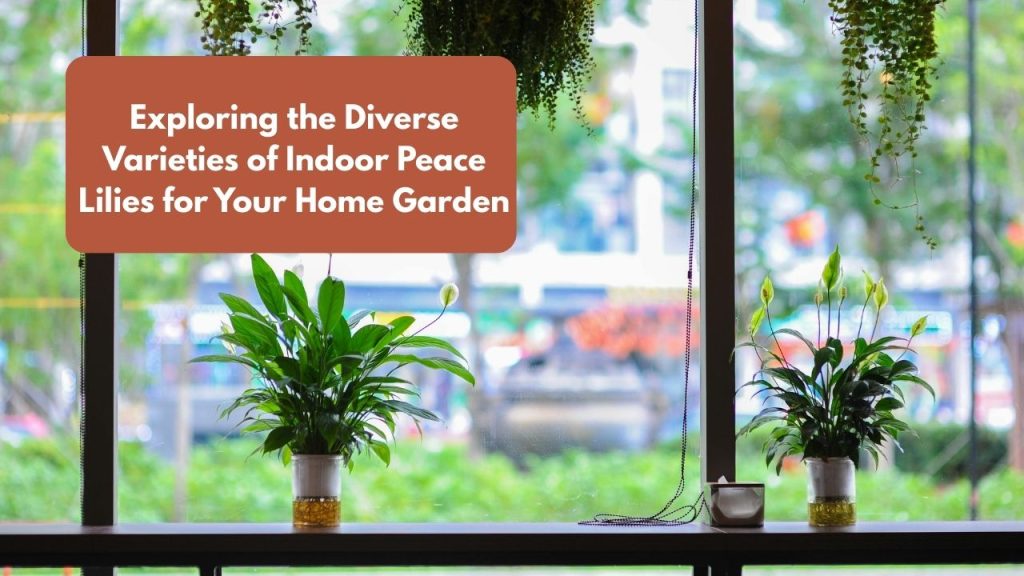
They work well in kitchens, living rooms, and bright bedrooms. Their compact size makes them suitable for windowsills and small tables.
Choosing pot colors that contrast with the blooms enhances their visual impact.
Repotting Gerbera Plants Indoors
Gerberas do not require frequent repotting.
Repot only when roots become crowded or when soil quality declines. Spring is the best time to repot.
Use fresh soil and avoid burying the crown during the process.
Long-Term Care and Plant Longevity
With proper care, indoor gerbera plants can live for several years.
They may go through rest periods where flowering slows, especially in winter. This is normal.
Focus on maintaining healthy foliage during these times to support future blooms.
What You Should Know Before Growing Gerberas Indoors
Gerberas are slightly more demanding than foliage plants, but they are far from difficult.
They reward attention to light, drainage, and airflow with vibrant blooms and long-lasting beauty.
Growing them next to a window is one of the most effective ways to meet their needs indoors.
Questions and Answers About Growing Gerbera Flowers Indoors
Can gerbera flowers grow indoors?
Yes, with enough light and proper care.
Which window is best for indoor gerberas?
South- or east-facing windows work best.
How often should gerberas be watered indoors?
When the top inch of soil feels dry.
Do gerberas need direct sunlight?
They need bright light but not harsh direct sun.
Why are my gerbera leaves turning yellow?
Usually due to overwatering or poor drainage.
Can gerberas bloom year-round indoors?
They can bloom multiple times with good care.
Is fertilizer necessary?
Yes, regular feeding supports flowering.
Should I mist gerbera plants?
No, excess moisture on leaves can cause problems.
How long do gerbera flowers last?
Each bloom can last several weeks.
Do indoor gerberas need air circulation?
Yes, gentle airflow helps prevent disease.
Can I grow gerberas in small pots?
Yes, shallow pots work well.
When should faded flowers be removed?
As soon as they fade.
Can gerberas survive winter indoors?
Yes, if protected from cold drafts.
Are gerberas suitable for beginners?
Yes, with attention to light and watering.







Leave a Comment