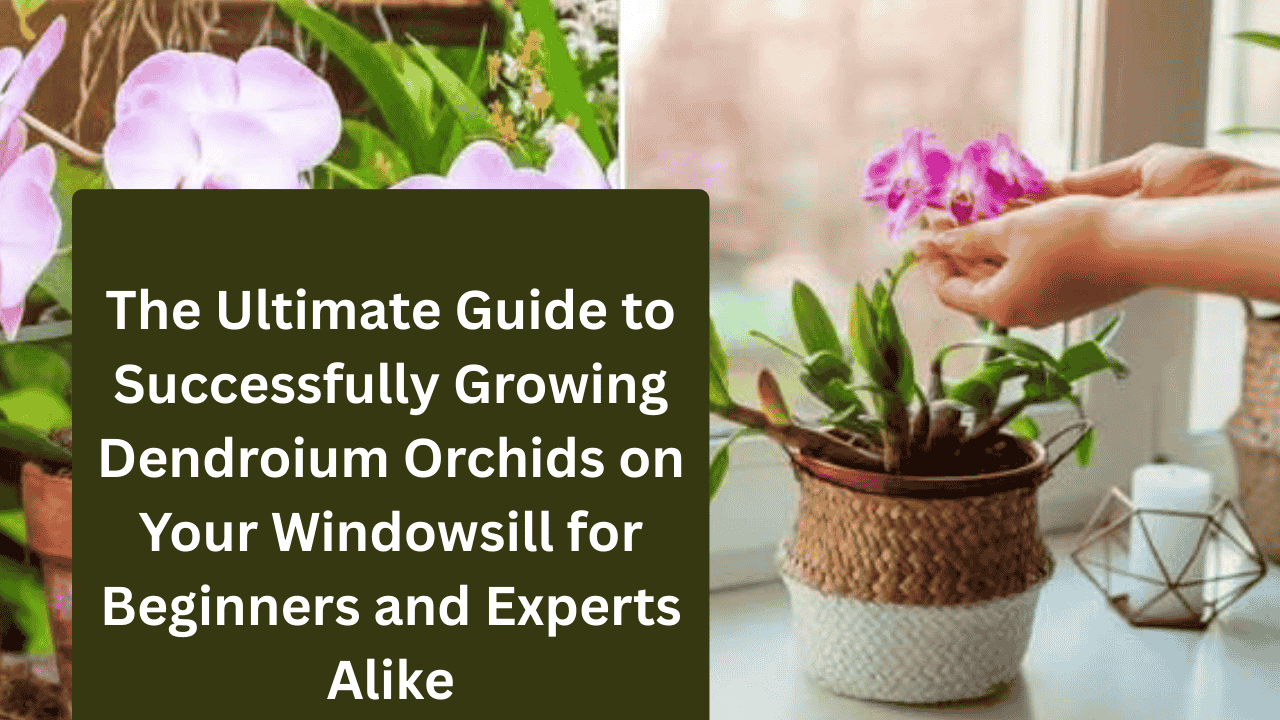
Dendrobium orchids are among the most diverse and rewarding orchid species, admired for their elegant flowers, long-lasting blooms, and adaptability to indoor environments. With the right techniques, dendrobium orchids can thrive on a simple windowsill, flowering year after year even in limited space. This guide explains everything needed to grow dendrobium orchids successfully at home, from basic care for beginners to refinement tips valued by experienced growers.

Understanding Dendrobium Orchids and Their Growth Nature
Dendrobium is one of the largest orchid genera, containing hundreds of species and hybrids. Most commonly grown indoor dendrobiums fall into two main groups: nobile-type and phalaenopsis-type dendrobiums. Nobile types have cane-like stems and often require a cooler rest period to bloom, while phalaenopsis types prefer warm conditions and flower more continuously. Understanding which type you have is essential, as care requirements differ slightly.
Why Dendrobium Orchids Are Ideal for Windowsills
Dendrobiums are particularly suitable for windowsill growing because they enjoy bright light, good air circulation, and stable indoor temperatures. Unlike some orchids that demand greenhouse conditions, dendrobiums adapt well to household environments. Their upright growth habit also makes them space efficient, allowing multiple plants to be grown in compact areas.

Choosing the Right Dendrobium Variety for Indoor Growing
Beginners should start with phalaenopsis-type dendrobium hybrids, often labeled as Dendrobium phalaenopsis or Den-Phal. These varieties tolerate warmer temperatures and are more forgiving of minor care mistakes. Nobile-type dendrobiums are better suited for growers willing to manage seasonal temperature changes to trigger flowering.
Selecting a Healthy Orchid Plant
A healthy dendrobium orchid has firm, upright canes, green or silvery roots, and clean leaves free of spots or pests. Avoid plants with shriveled canes or mushy roots. A plant with multiple canes increases flowering potential and overall resilience. Newly purchased orchids should be acclimated gradually to your home environment.
Best Pot and Container Choice
Dendrobium orchids grow best in small pots relative to their size. Tight root spaces encourage blooming rather than excessive leaf growth. Use clay or plastic orchid pots with ample drainage holes. Transparent pots are beneficial for monitoring root health and moisture levels, especially for beginners.

Ideal Potting Medium for Dendrobiums
Unlike traditional houseplants, dendrobiums do not grow in soil. They require an airy, fast-draining medium that mimics their natural epiphytic habitat. A mix of medium-grade pine bark, charcoal, and perlite works well. Coconut husk chips can also be used but must be rinsed thoroughly to remove salts.
Light Requirements for Flowering on a Windowsill
Light is the most important factor for dendrobium success. These orchids need bright, indirect light for at least six to eight hours daily. An east- or south-facing window is ideal. Leaves should be light green, not dark. Dark green leaves indicate insufficient light and often result in poor flowering.
Managing Direct Sunlight Safely
While dendrobiums enjoy brightness, harsh midday sun can scorch leaves. Sheer curtains help diffuse intense sunlight. Gradual exposure allows plants to adapt without damage. Sunburn appears as yellow or brown patches and is irreversible, so prevention is critical.

Temperature Needs and Seasonal Adjustments
Phalaenopsis-type dendrobiums thrive in temperatures between 18°C and 30°C. Nobile types require a cooler period during autumn and winter, with nighttime temperatures around 10°C to 15°C, to initiate buds. Stable temperatures and avoiding sudden fluctuations improve flowering reliability.
Watering Schedule and Root Health
Water dendrobiums thoroughly but infrequently. Allow the potting medium to dry slightly between watering. Overwatering leads to root rot, while underwatering causes shriveled canes. Water early in the day so excess moisture evaporates before night, reducing fungal risk.
Humidity Control on a Windowsill
Dendrobiums prefer moderate humidity levels between 50 and 70 percent. Indoor air often lacks sufficient moisture, especially during winter. Humidity trays, grouped plants, or light misting help maintain proper humidity. Avoid misting flowers directly, as this shortens bloom life.

Fertilization for Strong Growth and Blooms
Feed dendrobium orchids regularly during active growth. Use a balanced orchid fertilizer diluted to half strength every one to two weeks. During winter or rest periods, reduce feeding frequency. Excess fertilizer causes salt buildup, leading to root damage and leaf burn.
Understanding Growth Cycles and Cane Development
New canes emerge from the base and grow vigorously during the growing season. Flowers form on mature canes, not new ones. Old canes should never be removed unless dead, as they store nutrients and support future growth. Recognizing growth cycles prevents premature pruning mistakes.
Repotting Dendrobium Orchids Correctly
Repot every two to three years or when the medium breaks down. The best time to repot is when new root growth begins. Remove old, decomposed medium gently and trim only dead roots. Avoid disturbing healthy roots unnecessarily, as dendrobiums dislike root disruption.


Encouraging Flowering on Indoor Plants
Adequate light, proper feeding, and seasonal temperature cues are key to flowering. Nobile-type dendrobiums need reduced watering and cooler nights for several weeks to trigger buds. Once buds appear, resume normal watering gradually to support bloom development.
Flowering Duration and Care During Bloom
Dendrobium flowers can last four to eight weeks or longer under ideal conditions. Keep blooming plants away from heat sources and drafts. Avoid moving the plant frequently, as sudden changes cause bud drop. Stable conditions preserve blooms.
Pruning and Post-Bloom Care
After flowering, do not cut green canes. Remove only spent flower spikes if present. Continue normal care to support new growth. Healthy post-bloom care ensures stronger flowering the following season.

Common Problems and Their Solutions
Yellowing leaves often indicate light or nutrient imbalance. Wrinkled canes suggest dehydration. Bud drop may result from sudden temperature changes or low humidity. Identifying symptoms early allows quick correction and prevents long-term damage.
Pests Affecting Indoor Dendrobiums
Common pests include mealybugs, spider mites, and scale insects. Inspect leaf joints and undersides regularly. Neem oil or insecticidal soap effectively controls pests when applied consistently. Clean leaves improve photosynthesis and reduce infestations.
Growing Multiple Dendrobiums on One Windowsill
Spacing plants properly ensures airflow and light penetration. Rotating pots weekly promotes even growth. Grouping orchids raises humidity naturally. Organized placement maximizes flowering potential without overcrowding.

Benefits of Growing Dendrobium Orchids Indoors
Dendrobiums provide elegant, long-lasting blooms, improve indoor aesthetics, and offer a rewarding growing experience. Their adaptability makes them suitable for both beginners and experienced orchid enthusiasts. With consistent care, they can thrive and bloom reliably for many years.
Key Mistakes to Avoid
Overwatering, insufficient light, excessive fertilization, and removing healthy canes are the most common errors. Avoid frequent repotting and sudden environmental changes. Correct fundamentals lead to long-term success.
Long-Term Care for Continuous Success
Consistency is the secret to growing dendrobiums well. Observing your plant’s responses and adjusting care gradually builds experience. Over time, dendrobium orchids become resilient, dependable bloomers that reward patience and attention.












Leave a Comment