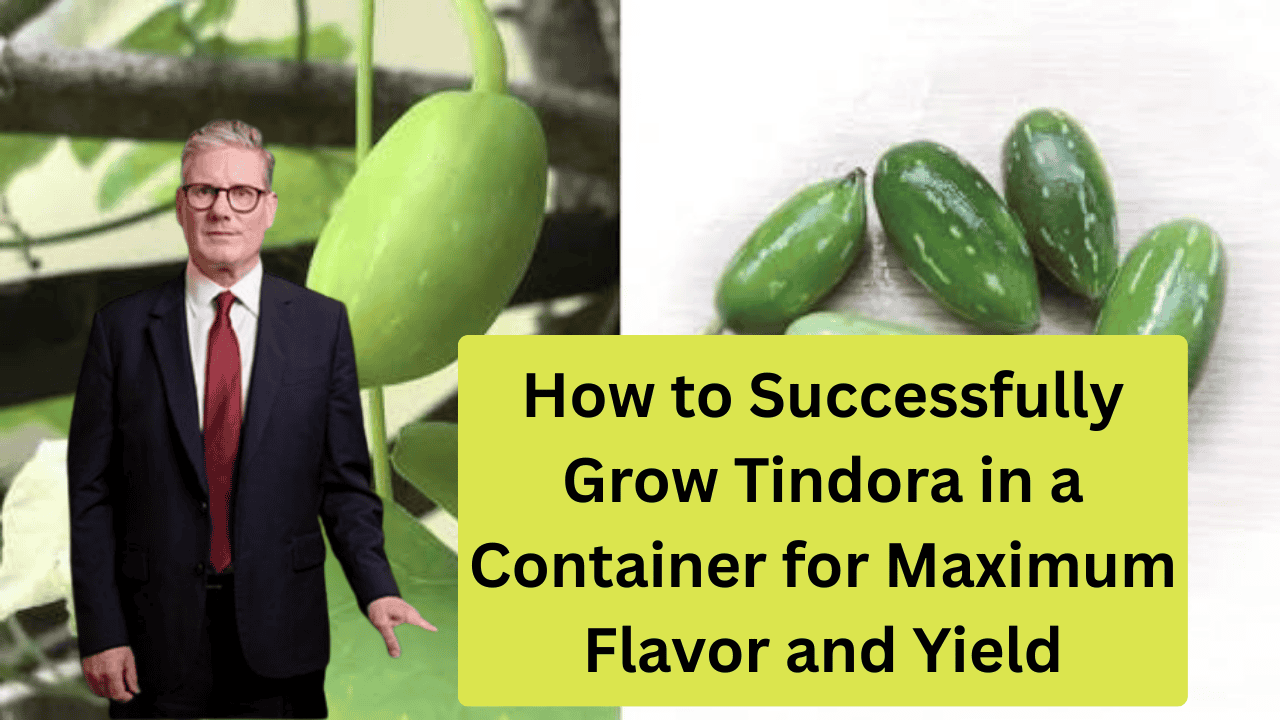
Tindora, also known as ivy gourd or Coccinia grandis, is a fast-growing tropical climber prized for its tender green fruits used widely in Indian and Southeast Asian cooking. Growing tindora in a container is not only possible but highly productive when done correctly. Container cultivation allows better control over soil, water, and spread, making it ideal for balconies, terraces, and small home gardens.

Why Grow Tindora in a Container
Tindora is a vigorous vine that can quickly overtake garden beds if left unchecked. Containers naturally limit root spread while still allowing excellent yields. Container-grown plants are easier to manage, less prone to soil-borne diseases, and can be moved to optimize sunlight exposure. For urban gardeners, containers make tindora cultivation practical and clean.
Choosing the Right Container Size
A deep and wide container is essential for healthy growth. The ideal container should be at least 18 to 24 inches deep and wide. Tindora develops a strong root system, and cramped containers lead to weak vines and poor fruiting. Use pots made of clay, cement, or thick plastic with multiple drainage holes to prevent waterlogging.

Best Soil Mix for Container-Grown Tindora
Tindora thrives in loose, fertile, and well-draining soil. A balanced soil mix improves root aeration and nutrient uptake. Use a combination of garden soil, well-rotted compost or vermicompost, and coarse sand or cocopeat in equal proportions. The soil should be rich in organic matter but not heavy or compacted. Slightly acidic to neutral pH works best.

Selecting Healthy Planting Material
Tindora is best grown from stem cuttings rather than seeds for faster fruiting and consistent quality. Choose semi-hardwood cuttings about 6 to 8 inches long from a healthy female plant. Ensure the cutting has at least three nodes. Using female plants is crucial, as male plants do not produce fruits. If unsure, source cuttings from a reliable nursery.
Planting Method in Containers
Fill the container with prepared soil mix, leaving two inches at the top. Insert the cutting horizontally or slightly angled, burying at least two nodes under the soil. Water thoroughly after planting. Keep the container in partial shade for the first 10 to 14 days until new shoots appear. Once established, move it to full sunlight.

Sunlight Requirements for Maximum Yield
Tindora requires a minimum of six to eight hours of direct sunlight daily for optimal flowering and fruiting. Insufficient sunlight results in excessive leaf growth with minimal fruits. Place containers on south- or west-facing balconies or terraces. In extremely hot climates, light afternoon shade helps prevent leaf scorching.
Watering Schedule and Moisture Control
Consistent moisture is critical, especially during flowering and fruit development. Water deeply whenever the top inch of soil feels dry. Avoid daily shallow watering, as it weakens roots. Overwatering leads to root rot and yellowing leaves. During monsoon or high humidity periods, reduce watering frequency while ensuring good drainage.
Supporting the Vine with Proper Trellis
Tindora is a climber and needs strong vertical support. Install a bamboo trellis, metal grid, or nylon net fixed securely to the container. Proper support improves air circulation, reduces pest attacks, and ensures straight, uniform fruits. Training the vine upward also prevents overcrowding and maximizes sunlight exposure.

Fertilization for Flavor and Productivity
Regular feeding significantly improves yield and taste. Every 15 days, apply organic fertilizers such as vermicompost, compost tea, or diluted cow dung slurry. During flowering, adding a potassium-rich organic feed enhances fruit quality. Avoid excessive nitrogen, as it promotes leafy growth at the expense of fruits.
Pruning and Vine Management
Pruning is essential to keep container-grown tindora productive. Trim excessive lateral shoots and old woody stems every few weeks. Pruning encourages fresh growth, more flowering nodes, and easier vine management. Remove yellow or diseased leaves promptly to maintain plant health.
Pollination Tips for Container Plants
Tindora produces separate male and female flowers. Natural pollinators usually handle pollination outdoors, but in balconies or indoor terraces, hand pollination may be needed. Use a soft brush to transfer pollen from male flowers to female flowers early in the morning. Female flowers can be identified by the small fruit-like swelling at the base.

Common Pests and Natural Control Methods
Aphids, red spider mites, and fruit flies are common pests. Regular inspection helps early detection. Neem oil spray every 10 to 14 days effectively controls most pests. For fruit flies, remove affected fruits immediately and use bait traps. Avoid chemical pesticides, especially if harvesting regularly.
Preventing Diseases in Container Tindora
Good air circulation, proper watering, and clean soil reduce disease risk. Fungal issues like powdery mildew occur in high humidity. Spray diluted baking soda solution or neem-based fungicide if symptoms appear. Always remove infected plant parts and avoid wetting leaves during watering.
Harvesting at the Right Stage
Harvest tindora fruits when they are tender, bright green, and about two to three inches long. Overripe fruits become hard and bitter. Regular harvesting every two to three days stimulates continuous flowering and fruiting. Use scissors or gently twist fruits to avoid damaging the vine.

Yield Expectations from Container-Grown Tindora
With proper care, a single well-maintained container plant can produce a steady supply of fruits for several months. Continuous harvesting, feeding, and pruning can keep the plant productive for two to three years. Flavor is often superior to ground-grown plants due to better nutrient control.
Seasonal Care and Temperature Management
Tindora grows best in warm temperatures between 20°C and 35°C. Growth slows during cold months. In cooler regions, move containers to sunny, protected spots or cover plants during cold nights. Reduce watering and feeding during dormant periods.








Leave a Comment