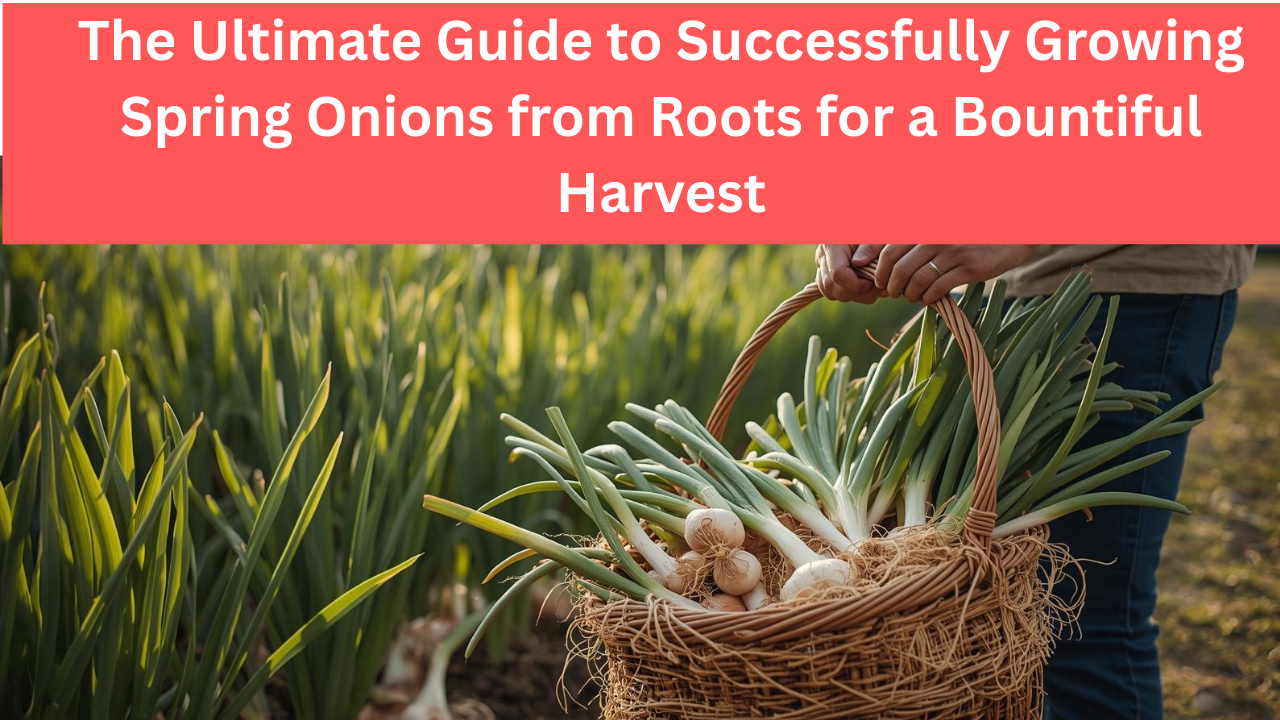
Spring onions are one of the easiest and most rewarding vegetables you can grow at home. What makes them especially appealing is that you don’t even need seeds to get started. With just the roots from store-bought spring onions, you can regrow fresh, flavorful greens again and again. This simple method saves money, reduces waste, and provides a steady supply of fresh onions for everyday cooking.
For beginners, growing spring onions from roots is an ideal introduction to gardening. The plants grow quickly, require minimal care, and deliver visible results within days. Even experienced gardeners appreciate spring onions for their reliability and versatility. This complete guide explains how to grow spring onions from roots successfully, ensuring a bountiful harvest whether you garden indoors, outdoors, or in containers.
Understanding How Spring Onions Grow
Spring onions grow from a bulb base with a strong regenerative ability.

The white root end contains dormant growth points that quickly produce new green shoots when placed in soil or water. Unlike bulb onions grown for storage, spring onions are harvested young for their tender stalks and mild flavor.
This rapid regrowth is what makes spring onions perfect for repeated harvesting at home.
Why Growing Spring Onions from Roots Is So Effective
Regrowing spring onions from roots takes advantage of nature’s design.

Instead of starting from seed and waiting weeks for germination, root regrowth skips the earliest growth stage. The plant already has stored energy, allowing it to grow faster and stronger.
This method is reliable, beginner-friendly, and works in small spaces with minimal effort.
Choosing the Best Spring Onions for Regrowing
Not all spring onions perform equally.

Choose fresh spring onions with firm white bases and visible roots. Avoid onions that are slimy, dried out, or damaged.
Healthy roots increase regrowth speed and overall plant vigor.
Preparing Spring Onion Roots for Planting
Preparation is simple but important.

Cut off the green tops, leaving about 2–3 centimeters of the white base with roots intact. Rinse gently to remove dirt.
This prepares the roots for quick recovery and new growth.
Growing Spring Onions in Water First
Water regrowing is a popular starting method.

Place the root ends in a shallow container with enough water to cover the roots but not the entire white base. This encourages fresh shoots to emerge.
Change the water regularly to keep it fresh and prevent odor.
Benefits and Limitations of Water Regrowing
Water regrowing shows fast results.

You can see new green shoots within days, making it satisfying for beginners. However, long-term growth in water alone produces weaker plants.
For continuous harvests, transferring to soil is recommended.
Transferring Spring Onions from Water to Soil
Soil supports stronger regrowth.

Once shoots reach a few inches tall, plant the roots in soil. This allows better nutrient uptake and long-term productivity.
The transition is gentle and rarely stresses the plant.
Growing Spring Onions Directly in Soil
Direct soil planting works very well.

Plant the root bases upright with roots covered and the cut top exposed. Space them slightly apart to allow airflow.
Soil-grown spring onions are sturdier and more flavorful.
Best Containers for Growing Spring Onions
Spring onions do not need deep containers.
Shallow pots with good drainage are sufficient. Containers allow easy placement near kitchens or windows for convenience.
Drainage holes are essential to prevent rot.
Growing Spring Onions in Garden Beds
Garden beds provide excellent results.
Choose loose, well-draining soil. Spring onions grow well in rows or clusters.
Garden-grown plants often grow thicker and faster due to natural conditions.
Preparing the Ideal Soil for Spring Onions
Soil quality affects growth speed.
Spring onions prefer light, well-draining soil rich in organic matter. Heavy soil slows growth and increases disease risk.
Adding compost improves texture and nutrients naturally.
Sunlight Requirements for Healthy Growth
Spring onions grow best with good light.
They prefer bright light or full sun but tolerate partial shade. Indoors, place them near a bright window.
Insufficient light leads to thin, weak greens.
Watering Spring Onions the Right Way
Balanced watering is essential.
Keep soil evenly moist but not waterlogged. Overwatering causes root rot, while dryness slows growth.
Check soil moisture regularly, especially in containers.
Seasonal Watering Adjustments
Water needs change with weather.
In warm conditions, watering may be more frequent. In cooler periods, reduce watering slightly.
Always let the soil guide your watering routine.
Feeding Spring Onions for Better Growth
Spring onions are light feeders.
A small amount of compost or diluted organic fertilizer supports steady growth. Excess fertilizer causes overly soft growth.
Moderate feeding produces better flavor and texture.
How Fast Spring Onions Grow from Roots
Growth is impressively quick.
New green shoots often appear within days. Usable harvests are possible within two to three weeks.
This rapid turnaround makes spring onions ideal for continuous harvesting.
Harvesting Spring Onions Correctly
Harvesting technique matters.
Cut the green stalks above the base, leaving the roots intact. This allows repeated regrowth.
Avoid pulling out the entire plant unless you plan to replant.
How Often You Can Harvest from One Plant
Spring onions can be harvested multiple times.
With proper care, a single root base can produce several harvests before weakening.
Eventually, replacing roots keeps production fresh.
Encouraging Continuous Regrowth
Regular harvesting stimulates growth.
Consistent light, moisture, and occasional feeding help maintain productivity.
Removing older leaves encourages fresh shoots.
Common Problems and How to Fix Them
Yellowing greens usually indicate overwatering or poor drainage.
Thin growth often results from low light. Improve light exposure gradually.
Rotting bases suggest excessive moisture and poor airflow.
Growing Spring Onions Indoors Year Round
Indoor growing is very effective.
Stable temperatures and controlled watering allow year-round harvests. Containers near windows work best.
Indoor plants may grow slightly slower but remain productive.
Growing Spring Onions Outdoors Successfully
Outdoor growing offers faster growth.
Spring onions adapt well to outdoor conditions during mild weather. Protect them from extreme heat or frost.
Outdoor beds support larger harvests.
Companion Planting with Spring Onions
Spring onions work well with other plants.
They can be grown near vegetables and herbs without competition. Their mild scent may deter some pests.
Compact growth makes them easy to integrate into mixed beds.
When to Replace Spring Onion Roots
Roots eventually weaken.
After several harvests, regrowth slows. At this point, replacing roots ensures continuous supply.
Starting fresh roots keeps productivity high.
Real Experiences from Home Gardeners
One home gardener shared that regrowing spring onions became a daily habit. “I haven’t bought spring onions in months,” they said.
Another noted that soil-growing produced thicker, tastier greens than water alone.
Observations from Regular Growers
Experienced growers recommend soil for long-term success.
They emphasize consistent harvesting and good light as the key factors.
Simple care produces the best results.
Long-Term Benefits of Growing Spring Onions from Roots
This method saves money and reduces waste.
It provides fresh greens on demand and builds gardening confidence. It also encourages sustainable habits.
Few plants offer such quick rewards with so little effort.
What You Should Know Before Growing Spring Onions from Roots
Spring onions are forgiving but not indestructible.
Overwatering is the most common mistake. Light, drainage, and regular harvesting matter most.
With minimal care, beginners can succeed easily.
Questions and Answers About Growing Spring Onions from Roots
Is it easy to grow spring onions from roots?
Yes, very easy and beginner-friendly.
Do spring onions regrow in water?
Yes, but soil is better long-term.
How long do spring onions take to regrow?
A few days for shoots, weeks for harvest.
Can spring onions grow indoors?
Yes, very successfully.
Do they need full sun?
Bright light is sufficient.
How often should they be watered?
When soil feels slightly dry.
Can one root be harvested multiple times?
Yes, several times.
Why are my onions thin?
Likely due to low light.
Is fertilizer necessary?
Only light feeding if needed.
Can spring onions grow in small pots?
Yes, shallow containers work well.
Do spring onions bolt?
Rarely when harvested young.
Can I grow them year round?
Yes, especially indoors.
Is regrowing spring onions worth it?
Absolutely.
Can beginners succeed easily?
Yes, with minimal effort.










Leave a Comment