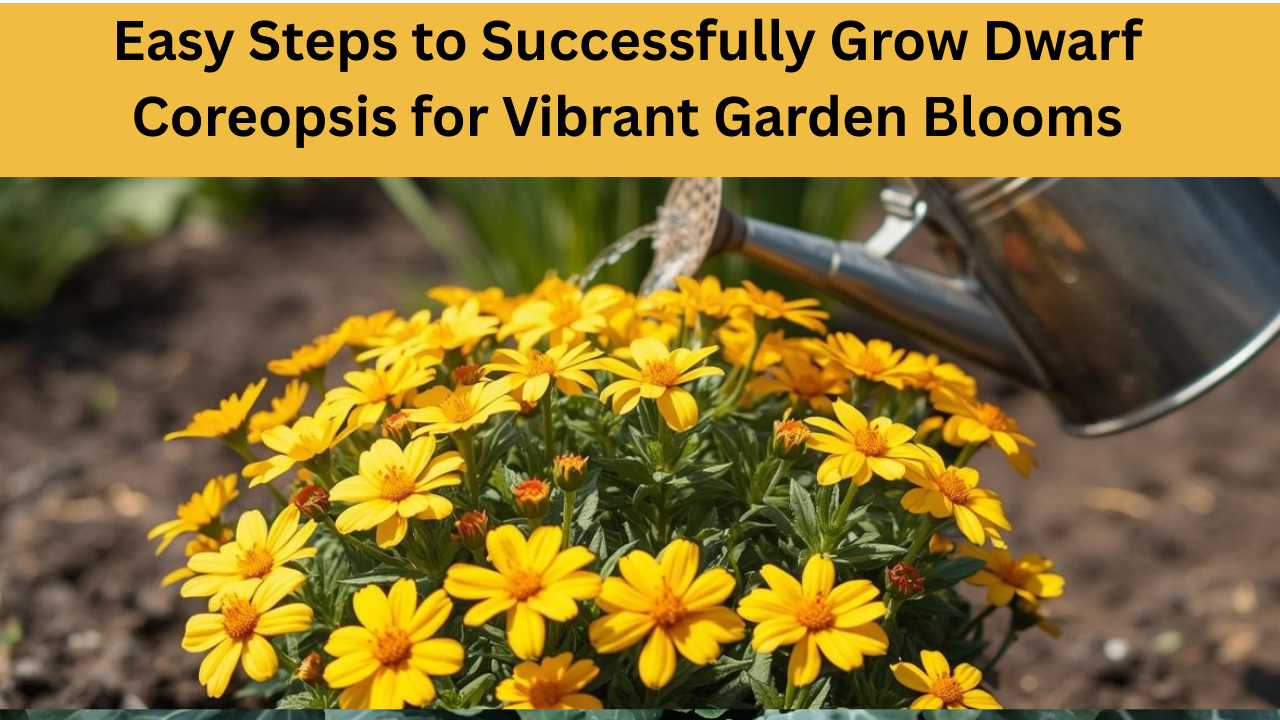
Dwarf coreopsis is one of the most cheerful flowering plants you can add to a home garden. Known for its bright, daisy-like blooms and compact growth habit, it delivers long-lasting color without demanding constant care. For gardeners who want reliable flowers that brighten borders, containers, and small spaces, dwarf coreopsis is an excellent choice.
What makes dwarf coreopsis especially appealing is its adaptability. It thrives in a range of conditions, attracts pollinators, and continues blooming for months when properly maintained. Even beginners can achieve vibrant results by following a few simple steps. This guide explains how to grow dwarf coreopsis successfully and enjoy an abundance of lively blooms throughout the growing season.
Understanding Dwarf Coreopsis and Its Growth Habit
Dwarf coreopsis is a compact flowering perennial or annual, depending on the variety.

It produces slender stems topped with bright yellow or gold flowers that resemble small daisies. Unlike taller varieties, dwarf coreopsis stays low and tidy, making it ideal for edging and containers.
Its bushy habit allows it to fill spaces evenly without becoming invasive.
Why Dwarf Coreopsis Is Ideal for Home Gardens
Dwarf coreopsis combines beauty with resilience.

It tolerates heat, light drought, and less-than-perfect soil conditions once established. This makes it a dependable choice for low-maintenance gardens.
Its extended blooming period ensures consistent color without frequent replanting.
Choosing the Right Dwarf Coreopsis Variety
Variety selection affects performance.

Choose dwarf varieties specifically bred for compact growth and prolonged blooming. These varieties maintain shape and flower more consistently.
Healthy plants with strong stems and fresh foliage establish more quickly.
Best Time to Plant Dwarf Coreopsis
Planting time influences growth and flowering.

Dwarf coreopsis grows best when planted during mild weather. This allows roots to establish before intense heat or cold.
Avoid planting during extreme temperatures to reduce stress.
Selecting the Ideal Location for Dwarf Coreopsis
Sunlight is essential for flowering.

Dwarf coreopsis thrives in full sun, where it produces the most blooms. Partial shade may reduce flower quantity.
Choose a location with good airflow to keep plants healthy.
Growing Dwarf Coreopsis in Garden Beds
Garden beds offer natural advantages.

Loose soil and consistent moisture support steady growth. Dwarf coreopsis works well along borders and in mixed beds.
Proper spacing prevents overcrowding and improves airflow.
Growing Dwarf Coreopsis in Containers
Containers are well-suited to dwarf coreopsis.

Use pots with drainage holes and well-draining soil. Containers allow flexible placement and easy maintenance.
This method works well for patios, balconies, and small gardens.
Preparing the Best Soil for Dwarf Coreopsis
Soil quality affects bloom performance.

Dwarf coreopsis prefers well-draining soil and does not require heavy fertilization. Excess nutrients can lead to more leaves and fewer flowers.
Light, fertile soil encourages healthy flowering.
Planting Dwarf Coreopsis Correctly
Proper planting ensures quick establishment.
Plant at the same depth as the nursery container. Firm the soil gently and water thoroughly after planting.
Avoid burying the crown, as this can cause rot.
Watering Dwarf Coreopsis the Right Way
Balanced watering supports strong growth.
Water regularly during establishment. Once established, dwarf coreopsis tolerates moderate drought.
Overwatering can cause root problems and reduce flowering.
Adjusting Watering Through the Season
Water needs change over time.
During hot periods, plants may need more frequent watering. In cooler weather, reduce watering.
Always check soil moisture before watering.
Feeding Dwarf Coreopsis for Continuous Blooms
Dwarf coreopsis requires minimal feeding.
A light application of compost is usually sufficient. Excess fertilizer reduces flower production.
Moderate feeding supports consistent blooming.
Importance of Deadheading for More Flowers
Deadheading encourages continuous blooms.
Removing spent flowers prevents seed formation and redirects energy into new blooms.
Regular deadheading extends the flowering period significantly.
Pruning and Shaping Dwarf Coreopsis
Light pruning improves appearance.
Trimming back leggy growth helps maintain a compact shape and encourages new flower stems.
Pruning also improves airflow and plant health.
Managing Temperature and Climate Conditions
Dwarf coreopsis thrives in warm weather.
It tolerates heat well once established. In cooler climates, growth may slow but resumes with warmer temperatures.
Protect plants from prolonged wet conditions.
Preventing Common Problems
Yellowing leaves often indicate overwatering.
Poor flowering may result from insufficient sunlight or excessive feeding.
Correcting conditions early prevents long-term issues.
Pest and Disease Resistance
Dwarf coreopsis is relatively resistant to pests.
Healthy plants rarely suffer serious problems. Good airflow and proper watering reduce disease risk.
Avoid overcrowding to maintain plant health.
Growing Dwarf Coreopsis Year After Year
Many dwarf coreopsis varieties are perennial.
With proper care, they return each year and bloom reliably. Mulching helps protect roots in colder climates.
Consistent care improves longevity.
Attracting Pollinators With Dwarf Coreopsis
Dwarf coreopsis supports garden wildlife.
Its flowers attract bees and butterflies, adding life and movement to your garden.
Pollinator activity improves overall garden health.
Using Dwarf Coreopsis in Garden Design
Dwarf coreopsis is versatile.
It works well in borders, containers, rock gardens, and mixed plantings. Its bright blooms complement many other plants.
Compact size allows creative placement.
Long-Term Care for Established Plants
Established plants require little effort.
Occasional watering, deadheading, and light pruning are usually enough.
Minimal care delivers consistent results.
Real Experiences From Home Gardeners
One gardener shared that dwarf coreopsis bloomed nonstop with minimal effort. “Deadheading made a huge difference,” they said.
Another noted that container-grown plants performed just as well as those in the ground.
Observations From Experienced Growers
Experienced growers emphasize sunlight.
They note that full sun is the key to abundant blooms. Overfeeding is discouraged.
Simple care produces the best results.
Benefits of Growing Dwarf Coreopsis at Home
Dwarf coreopsis offers long-lasting color.
It brightens gardens, attracts pollinators, and requires minimal maintenance.
Few plants offer such reliable performance with so little effort.
What You Should Know Before Growing Dwarf Coreopsis
Dwarf coreopsis prefers simplicity.
Well-draining soil, full sun, and moderate watering produce the best blooms.
With basic care, beginners can succeed easily.
Questions and Answers About Growing Dwarf Coreopsis
Is dwarf coreopsis easy to grow?
Yes, very beginner-friendly.
Can dwarf coreopsis grow in pots?
Yes, it grows well in containers.
Does dwarf coreopsis need full sun?
Yes, full sun produces the most flowers.
How often should it be watered?
When the soil dries slightly.
Does dwarf coreopsis need fertilizer?
Minimal feeding is sufficient.
Should flowers be deadheaded?
Yes, for continuous blooming.
Is dwarf coreopsis drought-tolerant?
Moderately, once established.
Does it attract pollinators?
Yes, bees and butterflies.
Can it survive winter?
Perennial varieties return each year.
Why are my plants not blooming?
Likely low sunlight or overfeeding.
Is dwarf coreopsis low-maintenance?
Yes, very low-maintenance.
Can beginners grow it successfully?
Yes, easily.
Is dwarf coreopsis worth growing?
Absolutely.
How long does it bloom?
For several months.







Leave a Comment