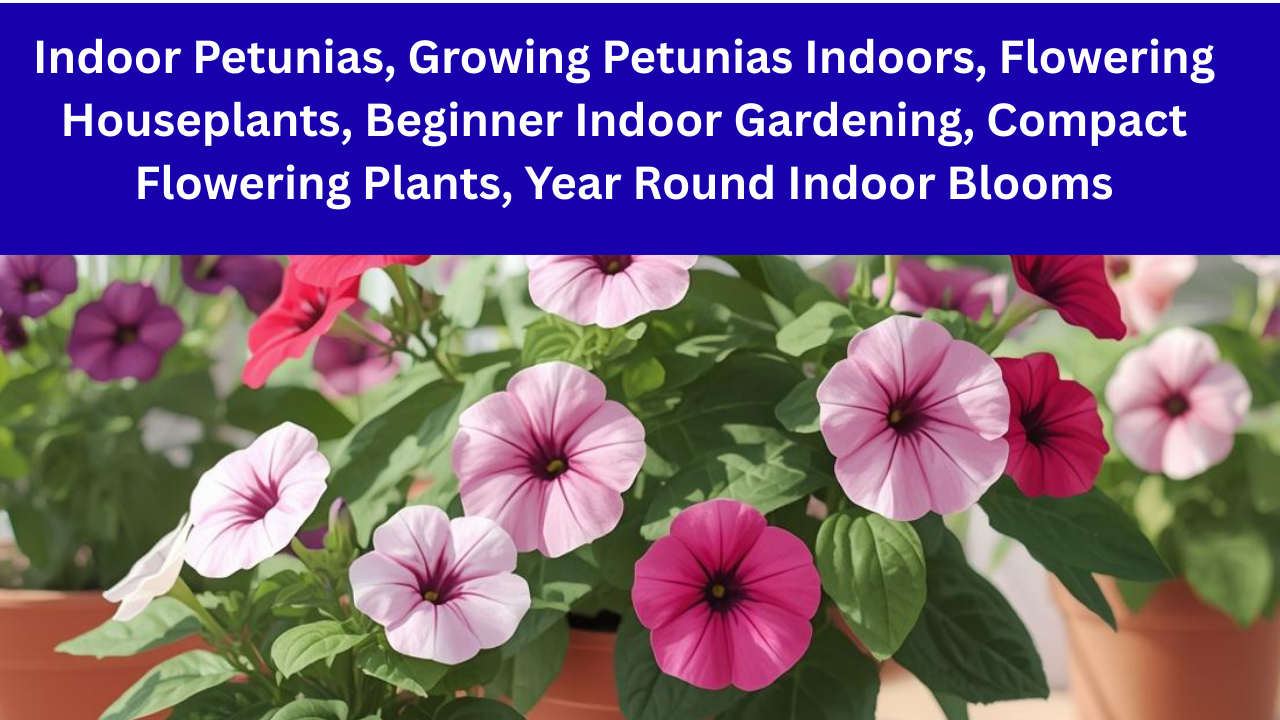
Petunias are often associated with outdoor gardens and summer flower beds, but compact indoor petunia varieties have changed that perception completely. With the right selection and care, petunias can thrive indoors and provide cheerful, colorful blooms throughout the year. Their compact growth habit, extended flowering period, and wide color range make them an excellent choice for indoor gardeners who want consistent visual impact without large outdoor space.
Indoor petunias are especially appealing to beginners because they respond quickly to good care. When light, watering, and feeding are balanced, these plants bloom generously and recover well from minor mistakes. This comprehensive guide explains how to grow compact indoor petunia varieties successfully, helping you enjoy healthy plants and year-round blooms inside your home.
Understanding Compact Indoor Petunia Varieties
Compact indoor petunias are bred specifically for controlled spaces.
Unlike traditional spreading petunias, these varieties grow in a tidy, bushy form that suits pots and small containers. They produce abundant flowers without excessive trailing or leggy growth.
Their controlled size makes them ideal for windowsills, shelves, and indoor plant stands.
Why Petunias Can Thrive Indoors
Petunias are adaptable flowering plants.
When provided with sufficient light and proper care, they adjust well to indoor environments. Compact varieties are especially responsive, as they are bred to flower under consistent conditions.
Indoor growing also protects petunias from harsh weather, allowing more stable growth and longer blooming periods.
Choosing the Right Indoor Petunia Varieties
Variety selection determines success.
Choose compact or dwarf petunia varieties known for continuous flowering. These varieties maintain shape and bloom more reliably indoors.
Healthy starter plants with strong stems and dark green leaves establish more quickly and resist stress better.
Best Containers for Indoor Petunias
Container choice affects root health and flowering.

Select pots with drainage holes to prevent waterlogging. Compact petunias do not need very deep containers, but adequate width supports bushy growth.
Lightweight containers make it easier to rotate plants for even light exposure.
Preparing the Ideal Soil for Indoor Petunias
Soil quality directly influences bloom production.

Indoor petunias prefer loose, well-draining soil that retains some moisture without becoming soggy. Heavy soil leads to root problems and reduced flowering.
A light, fertile mix encourages healthy roots and continuous blooms.
Planting Indoor Petunias Correctly
Proper planting prevents early stress.

Plant petunias at the same depth they were growing previously. Gently firm the soil and water thoroughly after planting.
Avoid burying the stems too deeply, as this increases the risk of rot.
Light Requirements for Year-Round Blooms
Light is the most important factor.

Indoor petunias need bright light to flower consistently. Place them near a bright window where they receive several hours of light daily.
Insufficient light results in fewer blooms and leggy growth.
Rotating Plants for Even Growth
Indoor light is often directional.

Rotate containers every few days to ensure all sides receive light. This prevents uneven growth and leaning stems.
Even exposure encourages balanced flowering.
Watering Indoor Petunias the Right Way
Watering must be balanced carefully.
Water when the top layer of soil feels slightly dry. Overwatering is a common mistake that leads to yellow leaves and root rot.
Consistent moisture without saturation supports healthy growth.
Adjusting Watering for Indoor Conditions
Indoor environments vary.
Heating and air circulation can dry soil faster. Monitor moisture regularly and adjust watering as needed.
Avoid letting plants sit in standing water.
Feeding Indoor Petunias for Continuous Flowering
Petunias are moderate feeders.
Regular, light feeding supports ongoing bloom production. However, excessive feeding causes leafy growth with fewer flowers.
Balanced nutrition encourages steady, vibrant blooms.
Importance of Deadheading for More Flowers
Deadheading keeps plants productive.
Remove spent flowers promptly to prevent seed formation. This redirects energy into producing new blooms.
Regular deadheading significantly extends the flowering period.
Pruning Indoor Petunias to Maintain Shape
Pruning prevents legginess.
Light trimming encourages bushier growth and more flower buds. Cut back long stems gradually rather than all at once.
Pruning improves airflow and plant appearance.
Managing Temperature for Indoor Petunias
Petunias prefer moderate indoor temperatures.
Stable conditions support consistent growth and flowering. Extreme heat or cold slows bloom production.
Keep plants away from direct heat sources and cold drafts.
Maintaining Humidity Indoors
Indoor humidity affects plant health.
While petunias do not require high humidity, extremely dry air can stress plants. Normal household humidity is usually sufficient.
Avoid misting excessively, as wet foliage can encourage disease.
Preventing Common Indoor Petunia Problems
Yellowing leaves often indicate overwatering.
Poor flowering usually results from low light or lack of deadheading. Adjust conditions gradually to avoid stress.
Healthy care routines prevent most problems.
Pest Management for Indoor Petunias
Indoor petunias experience fewer pests.
Regular inspection helps detect issues early. Healthy plants grown in proper conditions rarely suffer severe infestations.
Good airflow and cleanliness reduce risks.
Growing Indoor Petunias Through All Seasons
Indoor growing allows year-round blooms.
By maintaining consistent light and care, petunias can flower beyond their typical outdoor season. Growth may slow slightly in winter but resumes with proper conditions.
Indoor environments provide stability.
Repotting Indoor Petunias When Needed
Repotting supports continued growth.
When roots fill the container, move the plant to a slightly larger pot. Use fresh soil to replenish nutrients.
Repotting should be done gently to avoid root damage.
Encouraging New Growth After Bloom Cycles
Petunias bloom in cycles.
After heavy flowering, light pruning and feeding encourage a new flush of blooms. This rejuvenates the plant and maintains appearance.
Patience between cycles is normal.
Using Indoor Petunias in Home Décor
Petunias add color indoors.
Their bright flowers enhance windowsills, tables, and plant shelves. Compact varieties fit well into decorative containers.
Thoughtful placement improves both aesthetics and plant health.
Long-Term Care for Indoor Petunias
Indoor petunias require consistency.
Regular light, watering, feeding, and deadheading keep them productive. Sudden changes reduce bloom quality.
Steady care produces the best long-term results.
Real Experiences From Home Gardeners
One indoor gardener shared that rotating plants weekly transformed growth. “The blooms stayed even and full,” they said.
Another noted that deadheading made the biggest difference in continuous flowering.
Observations From Experienced Growers
Experienced growers emphasize light.
They note that most indoor flowering failures result from insufficient brightness. Proper light solves many issues.
Moderate feeding is also highlighted.
Benefits of Growing Petunias Indoors
Indoor petunias provide year-round color.
They brighten living spaces and require less maintenance than many indoor flowering plants.
Their responsiveness makes them satisfying to grow.
What You Should Know Before Growing Indoor Petunias
Indoor petunias need attention to light.
Watering and feeding must be balanced. Overwatering is the most common mistake.
With basic care, even beginners can enjoy continuous blooms.
Questions and Answers About Growing Indoor Petunias
Can petunias grow indoors year round?
Yes, with sufficient light and care.
Do indoor petunias need full sun?
They need bright light, ideally near a window.
How often should indoor petunias be watered?
When the topsoil dries slightly.
Do petunias need fertilizer indoors?
Yes, light regular feeding helps.
Should spent flowers be removed?
Yes, deadheading encourages more blooms.
Can petunias grow in small pots?
Yes, compact varieties do well.
Why are my indoor petunias not blooming?
Likely due to low light.
Is pruning necessary?
Yes, light pruning maintains shape.
Can petunias survive winter indoors?
Yes, with stable conditions.
Do indoor petunias attract pests?
Rarely when healthy.
Is humidity important?
Normal indoor humidity is sufficient.
Can beginners grow indoor petunias easily?
Yes, they are beginner-friendly.
How long do indoor petunias bloom?
For many months with proper care.
Are compact petunias worth growing indoors?
Absolutely.




Leave a Comment